2026 Route Planning: Tips for a Smooth Travel Year
Sponsored by RV Roofing Solutions
Planning your next RV adventure? Join the conversation in our Facebook community and share your route planning tips using #LTRVPlan.
You're halfway through a turn when you realize you’re somewhere your rig has no business being. A single-lane bridge stretches ahead with nothing but air on either side. Or you're smooshed between a boulder and an old oak tree, wondering about your insurance deductible. Maybe you're grinding up a mountainside gravel road with a line of semis stacked up behind you.
Route planning in an RV is so much more than typing in your destination and starting the directions on your phone. It's about getting there without needing therapy afterward. It's knowing where your rig can fuel up, which bridges won't destroy your roof, and having options when your carefully crafted plan falls apart. Because it will.
This episode of Learn To RV: The Podcast features a conversation between Frank, Matt, and Jenn. In our families, they handle the trip planning, and they’ve earned each gray hair legitimately.
What This Episode Is About
This isn’t just the apps we love. We skip simple gadget-gab and break down what really happens out on the road in our talk. Apps contradict each other. Detours are designed for sedans, not RVs. Mountain passes eat turbo power for breakfast.
Frank tells the story of getting stuck on a Utah mountain pass. No turbo. Gravel under the tires. And a parade of fuel trucks close enough to count their rivets. Matt thinks back to a time when Google Maps dumped him onto West Virginia back roads so tight he couldn't see around curves. Jenn remembers the California campground where Phil stood between their RV and a tree to keep her from colliding.
The hard moments teach lessons, though. Jenn, Frank, and Matt talk about which apps our families actually trust, how diesel and gas planning look completely different, how to maneuver surprise low bridges, and why stopping to think beats pushing forward almost every time.
You'll want to listen if you're:
- Drowning in route planning options
- Gearing up for your first long haul
- Sick of roads that weren't built for anything taller than a Honda
- Trying to figure out which navigation apps work
- Constantly hunting for fuel stops
- White-knuckling it through cities
- Heading into mountains
- After real safety advice from people who've messed up
- Hoping to skip mistakes we've already made
- Currently pulled over for a much-needed calming breath
What You'll Learn
We can’t teach you everything about route planning. But we’ve got a few stories to help get you started. Like what works for us and why. Frank and Matt both use RV Life Pro, but in different ways. Frank runs it alongside Google Maps since RV Life can miss live traffic updates. Matt plans with RV Life, then switches to Google Maps for detailed navigation.
Apps help, but they're not everything. Trucker atlases still matter. Google Street View lets you scout gas stations before arrival. And stopping to look around is always going to set you up for success better than blindly following directions.
Fuel planning gets complicated depending on what you drive. Jenn runs a gas rig, so she hunts small stations with easy access. Loves stations? She avoids them — squeezing 42 feet of fifth wheel into the gas side sounds like a nightmare. Diesel opens more options but creates others, like that time Frank measured remaining fuel in "zero miles left."
Mountains change fuel economy dramatically. What typically lasts two hours might give you 45 minutes while climbing grades. The gang outline fuel-stop strategies for mountain terrain and what to do when your turbo quits mid-climb.
Cities can look terrifying with a big rig, but they don't have to. Jenn and the guys discuss defensive driving, why going 10-15 mph slower makes sense, and whether the right or middle lane works better. Frank drove through Chicago, LA, and DC during rush hour — on purpose — and explains why calm beats fast.
Bridge clearances and tail swing catch new RVers constantly. You need to know your height plus how far your rig extends past the rear axles. Skid plates might save your underbelly. When a bridge says it's exactly your height, find another route.
Detours rarely account for RVs. Frank was rerouted onto emergency access roads during an accident, watching his trailer dip off the shoulder as he hoped the tires would grab. The takeaway? If trucks go that way, you can probably go that way, too, but stay alert.
Ready to Dive Deeper?
Our families want to help others learn from our mistakes. So, this episode covers the mental game too. The gang breaks down arriving before dark, why the 2-2-2 or 3-3-3 rule works for most travelers, and how to balance ambition with safety in your schedule.
Safety first! Every RVer should carry certain safety gear: spare tires and bearings, reflective vests and cones, jacks that can actually lift your rig, even yoga mats or carpet scraps for traction when you’re stuck. You don't think about this stuff until you're stranded on I-10. Then it’s all you can think about. Jenn, Frank, and Matt try to help you plan ahead during their discussion.
They also talk about flexibility when plans explode. Campsites call to say your spot isn't ready. Construction closes your route. Sometimes pulling into a Loves beats showing up at your reserved spot after midnight. The RVers who succeed can adapt without melting down.
On the first trip or hundredth, this conversation gives you tools you can use tomorrow. You'll finish with confidence in planning safe routes, handling surprises, and arriving with your sanity mostly intact.
Where to Listen and How to Connect
Download "2026 Route Planning: Tips for a Smooth Travel Year" from Spotify, Apple Podcasts, or your preferred podcast platform.
Join our Patreon Campfire Crew for bonus episodes, behind-the-scenes content, and early releases. Three membership tiers offer different benefits, including merch and direct access to us.
Share your route planning wins and disasters in our Learn To RV: The Podcast Community on Facebook. Tag posts with #LTRVPlan so other RVers can learn from your experiences.
Find more resources on trip planning at learntorv.com and learntorvthepodcast.com. Guides cover everything from full-time RV living to specific destinations.
Need campground listings? Check The Dyrt. Want help with complex itineraries? Try RV Trip Makers.
The Real Message
Route planning combines science, art, and crossed fingers. You can have perfect apps, detailed maps, and researched stops, and still wind up somewhere unexpected. That's not failure. That's RV life.
Confident RVers don't avoid every problem. They handle problems when they show up. They carry backup plans and safety equipment. They know and respect their rig's limits. They pull over, reassess, and change direction when needed. You’ll still mess things up. We do. And probably always will.
Every experienced RVer has stories about routes gone sideways. We've all been lost, stuck, scared, or frustrated. What makes the difference? We kept going, learned from it, and built skills to manage whatever comes next.
Your first big trip might go wild. You might take wrong turns, arrive late, or momentarily question your life choices. That's fine. Every journey teaches you about your rig, your capabilities, and the traveler you're becoming. Plan carefully. Hold plans loosely. Use technology without depending on it completely. Trust your gut, ask for help, and remember: getting there safely beats getting there fast.
The road's out there waiting. With solid planning and the right attitude, you'll be ready.
Sponsored by RV Roofing Solutions
While planning your next adventure, protect your home on wheels. RV Roofing Solutions provides thorough inspections and complete roof replacements so you can travel confidently. Their technicians understand life on the road and come to you nationwide. Visit rvroofingsolutions.com to schedule your roof inspection. When your roof's protected, you can focus on safely exploring our beautiful country.
This post may contain affiliate links. We may earn a commission if you make a purchase through these links, at no extra cost to you.
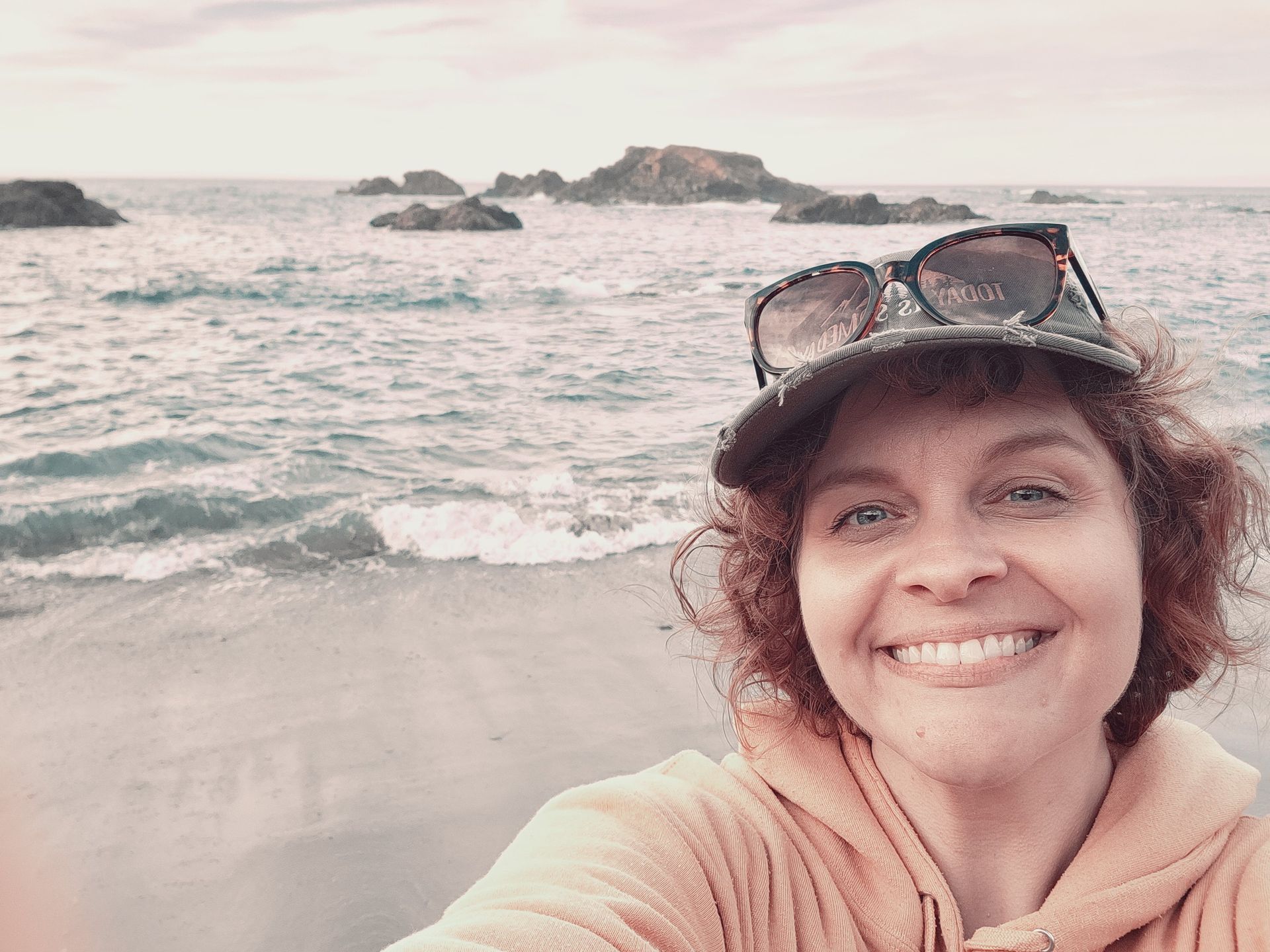
By day, Tasha Martin wears the title of copywriter extraordinaire, crafting compelling stories and sharp, strategic messaging. But when night falls, she steps into her second superpower—podcast queen. With a natural gift for conversation and a voice that draws listeners in, Tasha brings energy, curiosity, and heart to every episode she helps create.
When she’s not writing or podcasting, you’ll find Tasha out exploring. She loves traveling with her family and seeking out unique outings, hidden gems, and memorable experiences on the road. Whether it’s a quirky roadside stop, a scenic trail, or a new town to wander through, Tasha brings the same sense of adventure to her travels that she brings to her creative work.
A storyteller, a traveler, and a connector—Tasha is the kind of voice every RV community needs.

Ticks & Alpha-Gal Syndrome: What Every RVer Needs to Know