Tracking Weather on the Road: The Apps, Habits & Hard Lessons Every RVer Needs
Tracking Weather on the Road Is Sponsored by RV Roofing Solutions
What’s your most memorable weather lesson from the road? Share it in our Facebook community!
Weather Isn’t Small Talk When You Live in a Tin Can
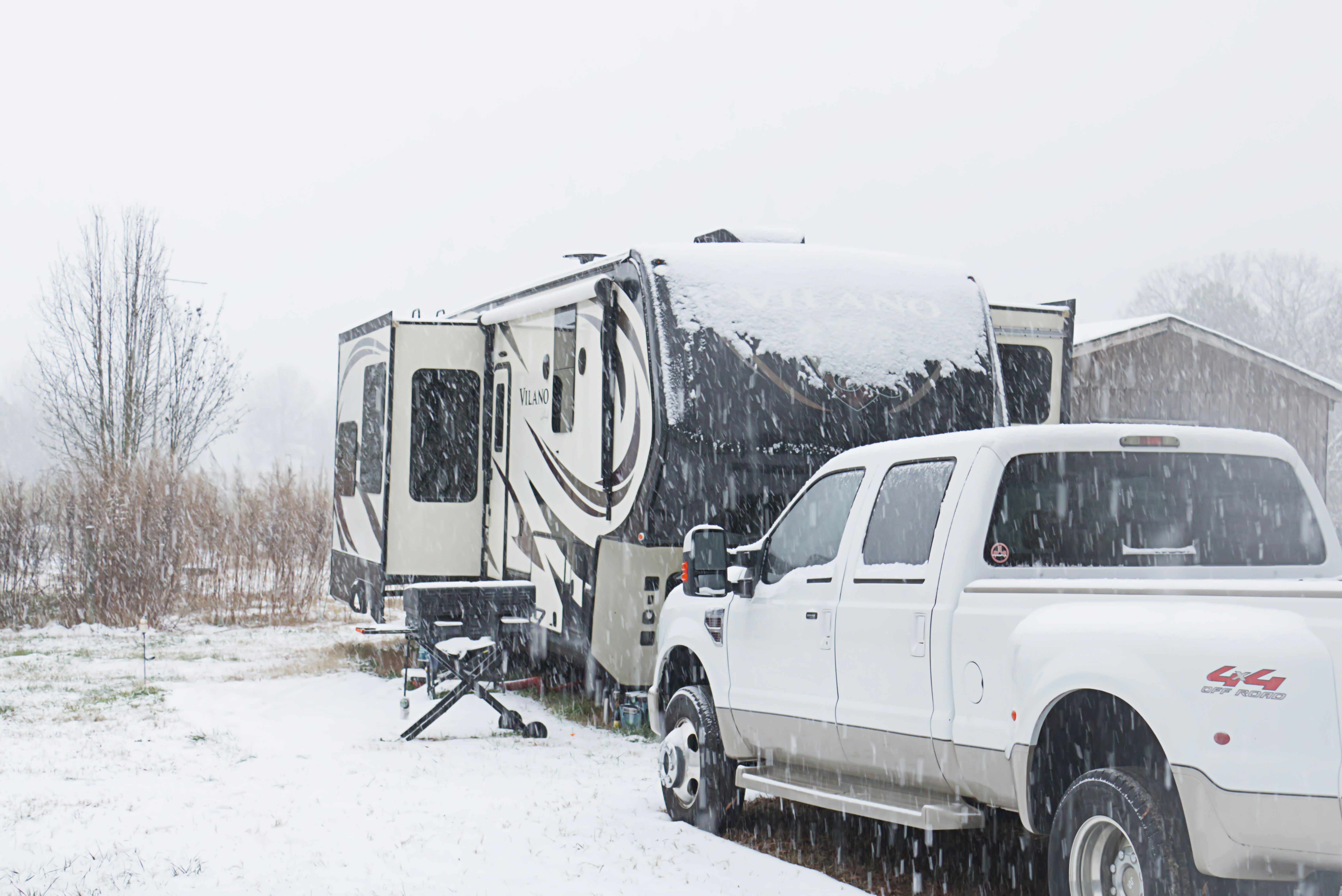
Weather. It’s the first thing you turn to when you’re scrambling for small talk. And it’s probably the thing that will humble you the fastest when you’re an RVer. I speak from experience. We’ve experienced brownouts in New Mexico so strong I swore the rig was going to tip over. We’ve watched storms roll in across a river while trying to find shelter. Jennifer even heard their RV get picked up and dropped back down during a storm.
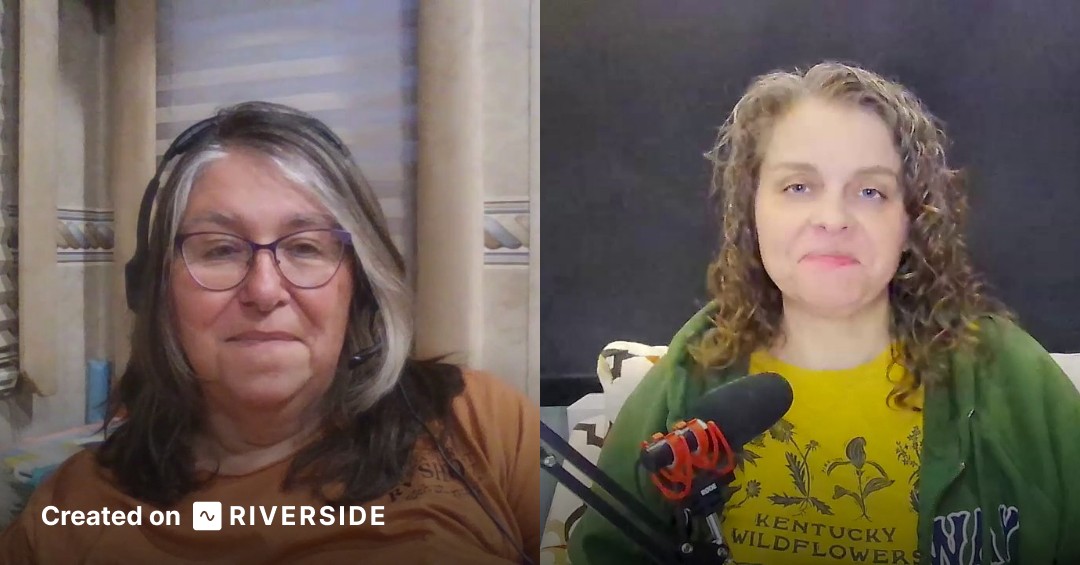
Jennifer and I recently sat down to talk about the real, practical side of weather on the road — the basics, the habits, the tools, and the hard lessons that actually keep your family, your pets, and your rig safe while traveling.
What This Episode Is About
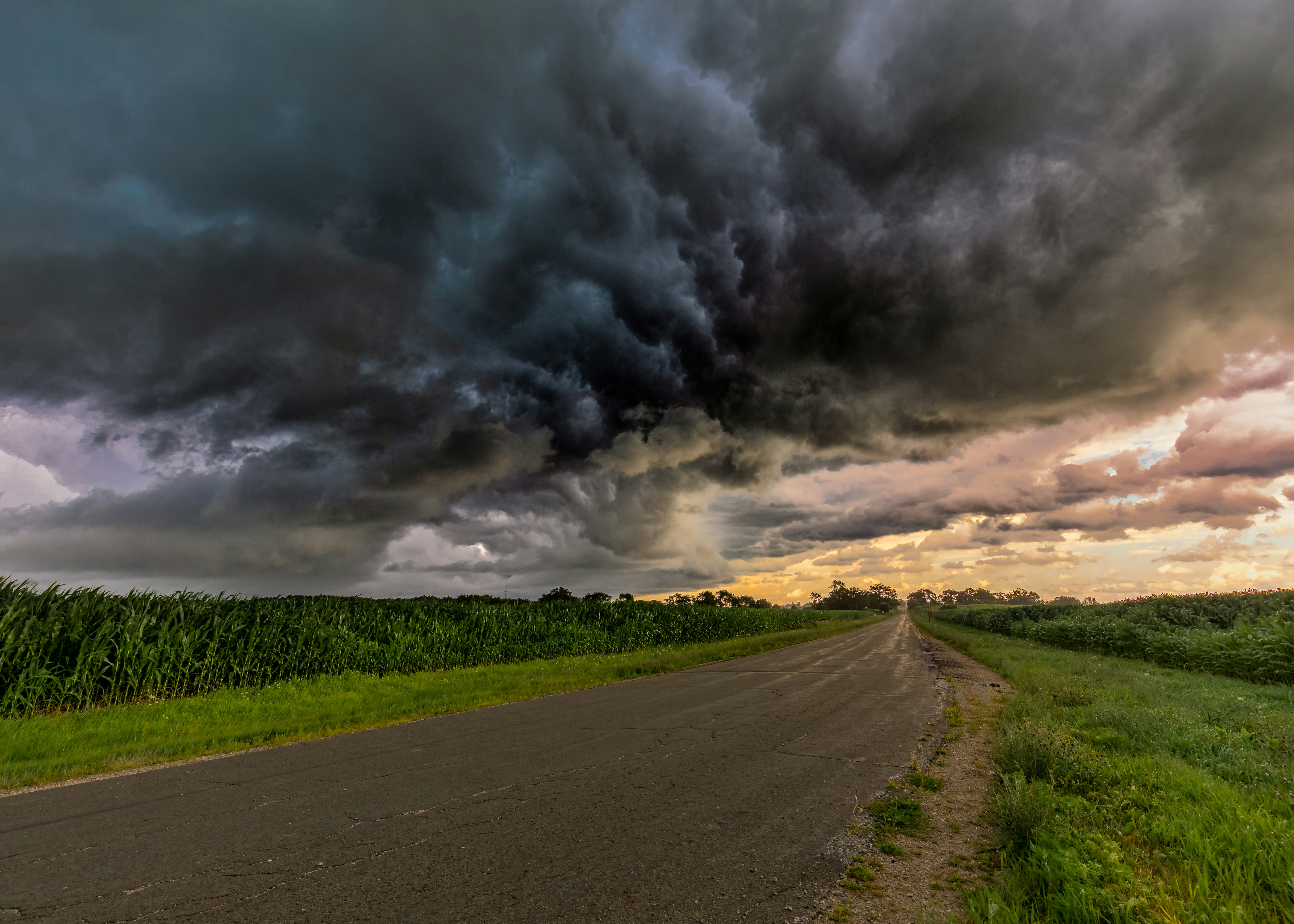
We try to cover the full spectrum of weather-related hazards that RVers deal with: tornadoes, wildfires, haboobs (yes, that’s a thing), flooding, hail, high winds, waterspouts, and the all-important AQI (you’ll have to listen to find out what it stands for) that most people don’t think about until the trip is ruined.
We walk through the apps we actually use, the ones we trust when things get serious, and the real-life moments that taught us why weather tracking is a non-negotiable part of RV life. We also talk evacuation strategy, storm shelter reality checks at campgrounds, and how to build a simple routine that works whether you’re a full-timer, a weekend warrior, or somewhere in between.
This episode is perfect for you if you’re:
• A full-timer, part-timer, or weekend RVer who wants to travel smarter and not get caught off-guard by weather
• Traveling with kids, pets, or both and want a plan when conditions turn dangerous fast
• A homeschooling or roadschooling family looking for ways to turn weather safety into a lesson
• Someone who has no idea what AQI, haboob, or waterspout mean
• An RVer who’s had a wild weather moment on the road and wants to be better prepared next time
• Still in the planning stages and want to start this lifestyle with good habits from day one
What You’ll Learn
The full stories, the laughs, and the “wait, that actually happened” moments are in the episode. But here’s a taste of what we cover.
What Is an AQI and Why Should RVers Care? Most people think weather tracking means checking for rain. But the AQI is something every RVer needs to understand. If it’s green, enjoy the day. If it’s dark red, it’s hazardous. And I learned a couple of years ago that what happens even as far away in Canada could affect our AQI in South Carolina.
What Weather Apps Do We Actually Use? There is no single app that does everything. Here’s the breakdown of what we’re checking and why:
App / Resource | Why RVers Love It |
RV Weather (rvweather.com) | Route-based forecasting shows what weather you’re driving INTO, not just where you are now. A game-changer for travel days. |
AccuWeather (accuweather.com) | Real-time, minute-by-minute updates. Great for Frank’s on-the-roof decisions and active weather days. |
WeatherBug (weatherbug.com) | Jennifer’s daily go-to. Best for accurate lightning strike distance, critical when you have kids or pets outside. |
Weather Underground (wunderground.com) | Hyper-local data pulled from personal weather stations. Great for neighborhood-level precision. |
WeatherWise App (weatherwise.app) | Ryan Hall Y’all’s app. When radar reliability is a concern, this is one of the most trusted real-time resources out there. Matt and I rely heavily on this. |
Ryan Hall Y’all (ryanhallyall.com) | (We obv turn to the OG, too, when we’re in the rig and want a weather update. Ryan is streaming on the TV a lot.) Kentucky-based meteorologist with a nationwide reach. His team also brings resources into storm-hit communities. Reliable, trusted, and genuinely great. |
NOAA Weather (noaa.gov/weather) | Official government source. Strong for broad forecasts, storm tracking, and regional patterns. |
Windy.com | Wind gusts above, below, and on the ground. Jennifer learned about this one from balloon pilots. If you’re on the road and see a wall of brown coming, you want this one open. |
Tornado Watch vs. Warning — Know the Difference
This matters more than people think. A tornado watch means conditions are favorable for a tornado. A tornado warning means it’s been confirmed on radar — take shelter immediately. And here’s the part that should be non-negotiable for RVers: your RV offers zero protection in a tornado. Get out and find a solid structure.
And this is true for every type of weather. Watch comes before a warning.
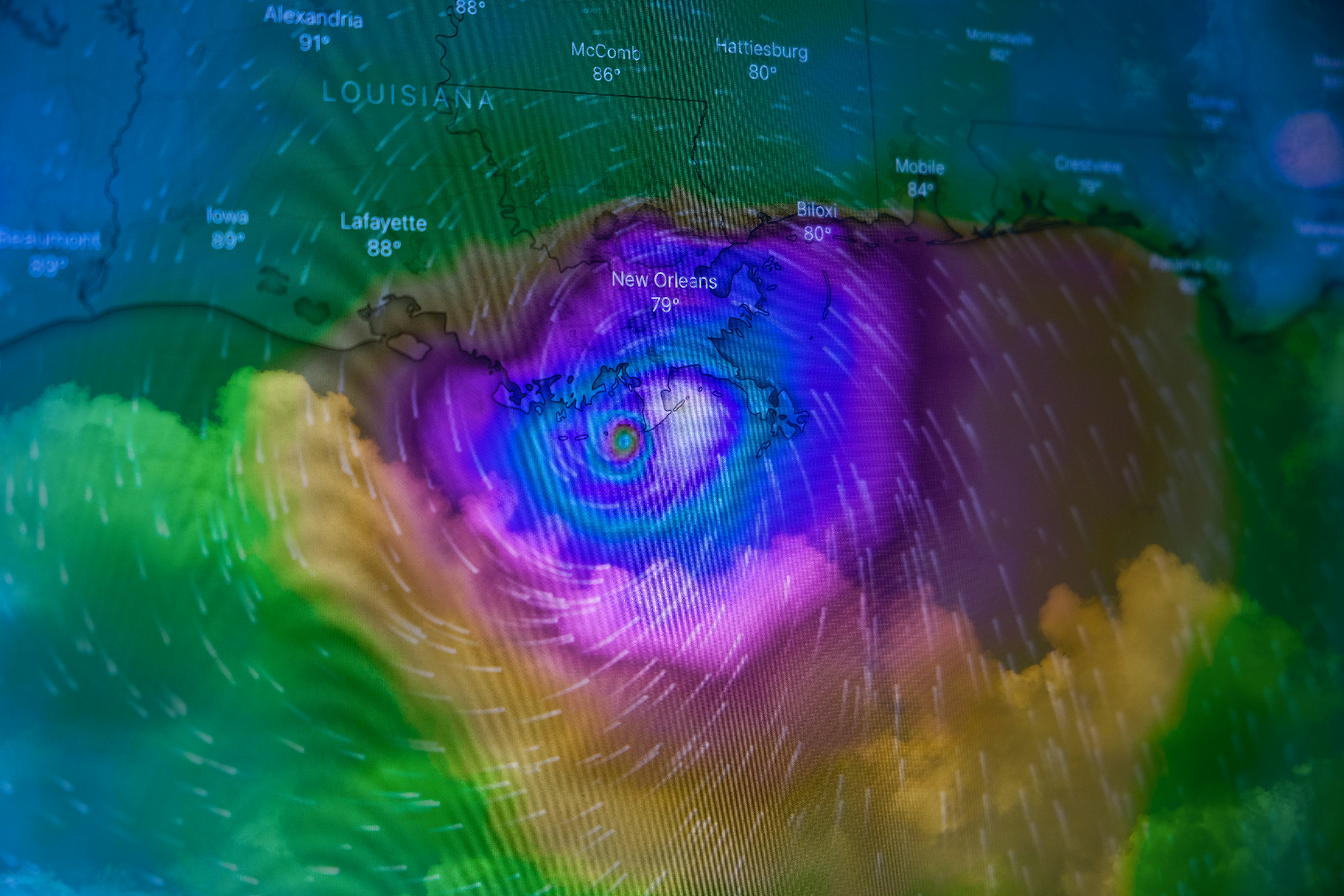
What To Do When the Campground Doesn’t Have a Real Shelter
Ask before you need it. I have a personal rule now: the moment we arrive at a campground, I find out where the tornado shelter is. I learned this the hard way after being told during an active tornado warning to go to the arcade because the store, where the staff was taking shelter, “had money inside” and so they couldn’t let guests in. We ended up in the nearest bathroom, which was the better option. Here’s what to look for:
• Underground shelter: basement or storm cellar is the best option, if available
• Reinforced steel, brick, or concrete bathhouse: solid walls, interior room, away from windows
• Interior room of a solid building with no windows or doors leading outside, on lowest floor of the building
• Avoid: wooden recreation halls, open-air pavilions, and — yes — your RV
• Shelter in the most interior room; put as many walls between yourself and the wind as possible
• If you can’t find a building, lie flat in a ditch, ravine, or the lowest spot on the ground, avoid areas with a lot of trees, and cover your head with your arms or another object; do not stay in a vehicle and do not try to outrun the storm
How To Build a Simple RV Weather Routine
You don’t need a meteorology degree. You just need a habit. Here’s the routine Jennifer and I both recommend:
Step | What To Do |
1 | The night before a travel day, check your full route for storm patterns, wind gusts, hail watches, and flood advisories. |
2 | Check the AQI for your destination and any areas you’re passing through, especially during wildfire season. |
3 | The morning of travel, open your preferred app for real-time updates. Check wind speeds. If gusts exceed 30 mph, seriously consider staying put. |
4 | Use RV Weather (rvweather.com) to track what you’re driving INTO, not just current conditions. |
5 | If a storm is approaching your travel corridor, call ahead to your destination and ask about staying early or extending your stay. Many campgrounds can and will accommodate you. |
6 | When you arrive at a new campground, locate the storm shelter or identify the safest structure on the property before you need it. |
7 | If severe weather hits: no outdoor gear like clams or awnings, fill your water tanks for added weight and stability, stay hooked to your truck, avoid running the AC in smoke or dust, and don’t drive into it. |
8 | Document any hail events with photos and dates. You may not realize you have damage that requires repair until later, and you’ll want that record. |
Ready To Dive Deeper?
The full episode is where all of this really comes to life — the siren that had me turning the car around on a sunny day, Jennifer’s camper taking flight, the haboob that trapped us in a gas station, and the campground flooding that had Jennifer leaving early and never going back. These are the moments that teach you.
For more life-on-the-road tips, explore all of the resources, guides, and topics at learntorv.com. Whether you’re still deciding if RV life is for you or you’re a full-timer looking to tighten up your skills, there’s something there for you.
And if you’ve been thinking about joining the Campfire Crew on Patreon, this is a great time to jump in. Our Campfire Crew members get early access to every episode, exclusive bonus content, free merch, and a community of RVers who are genuinely living this life every day. Three membership tiers, each with different perks. Your first week is free, so it’s a pretty low-stakes way to see if it’s your vibe. You can also buy us a coffee if you want to show some love that way.
Where To Listen and How To Connect
Catch “Tracking Weather on the Road: The Apps, Habits & Hard Lessons Every RVer Needs” on Spotify, Apple Podcasts, iHeartRadio, YouTube, and everywhere else podcasts are streamed. And check out Jennifer’s companion blog at learntorv.com.
Join the Campfire Crew on Patreon to support the podcast and unlock early access, exclusive bonus episodes, and member merchandise. Three membership tiers, each with their own perks. What’s not to love?
Connect with the community in the free Learn To RV: The Community on Facebook. Follow @LearnToRV on Instagram for behind-the-scenes moments and travel inspiration.
Explore more RV tips, resources, and guides at learntorv.com. Got a wild weather story of your own? Send it to connect@learntorv.com and let us know if we can use your name or if you’d like to stay anonymous. If your story gets read on air, we’ll send you a Campfire Confessions sticker!
The Forecast Says: Be Prepared
Here’s the thing about weather on the road: it’s not about being afraid. It’s about being prepared. You can’t control what the sky does. But you can control whether you have the right plan in place before the alarms go off.
It’s okay to change your plans. It’s okay to arrive a day late, stay an extra night, or pull off at a gas station and wait it out. Your rig can be repaired. Your roof can be replaced (RV Roofing Solutions can help with that). The memories you’re making on the road and the people you’re making them with? Those are worth protecting.
Learn To RV: The Podcast exists for every kind of RVer — full-timer, part-timer, weekend warrior, or still-decider — who wants honest, real-talk knowledge from people actually living this life. We hope you find exactly that here.
Subscribe so you never miss an episode, share learntorvthepodcast.com with a fellow traveler, and leave a review to help other RVers find this community. The road is better when you know what’s out there.
Sponsored by RV Roofing Solutions
Your RV is your home, your family’s basecamp, and the starting point for your adventures. Protecting it starts at the top. RV Roofing Solutions provides comprehensive RV roof inspections and repairs, traveling nationwide to meet you wherever your rig is parked.
Visit rvroofingsolutions.com to schedule your free consultation. When your roof is protected, you’re free to focus on what matters: the journey, the people, and the adventures ahead.
This post may contain affiliate links. We may earn a commission if you make a purchase through these links, at no extra cost to you.
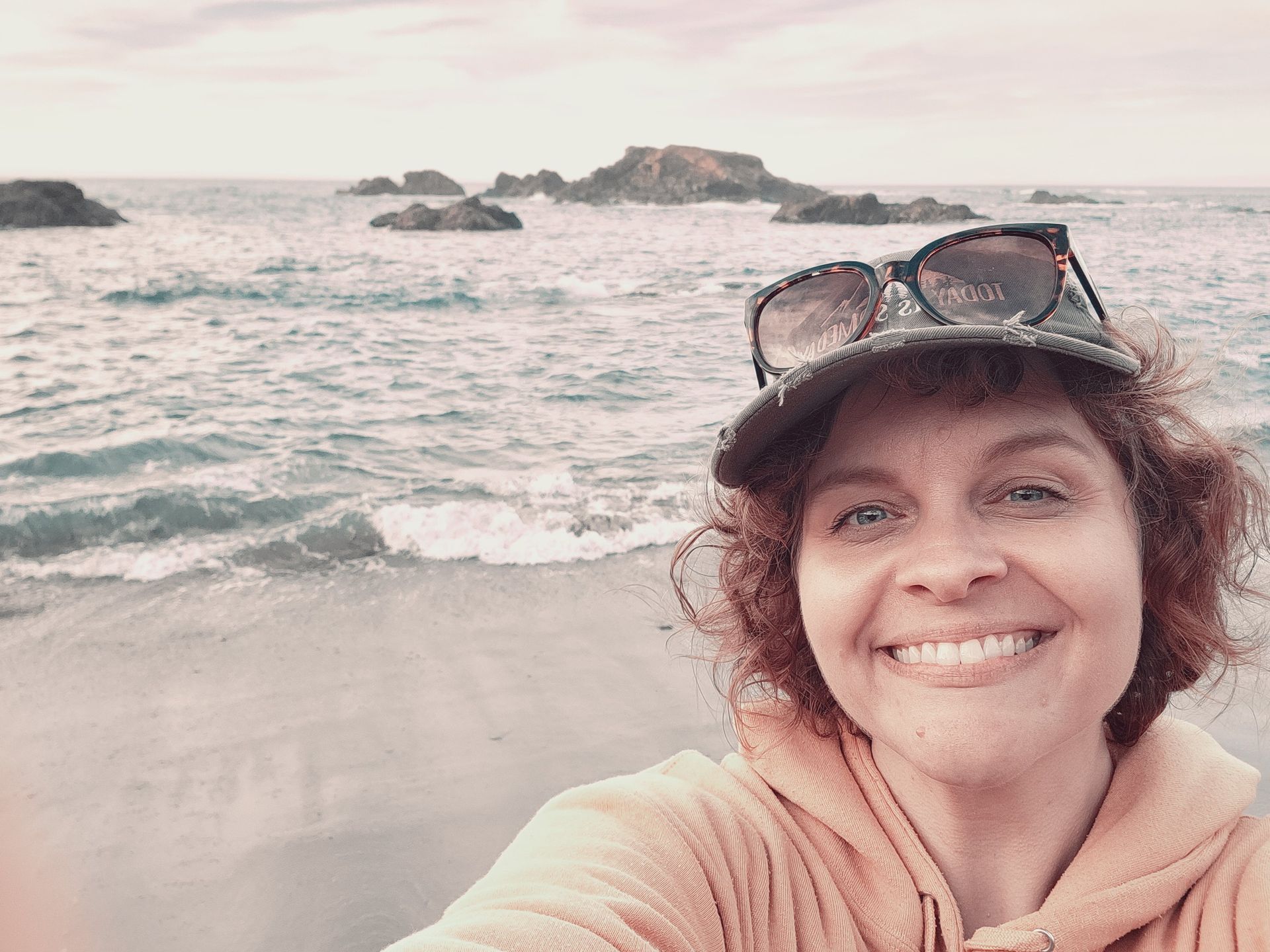
By day, Tasha Martin wears the title of copywriter extraordinaire, crafting compelling stories and sharp, strategic messaging. But when night falls, she steps into her second superpower—podcast queen. With a natural gift for conversation and a voice that draws listeners in, Tasha brings energy, curiosity, and heart to every episode she helps create.
When she’s not writing or podcasting, you’ll find Tasha out exploring. She loves traveling with her family and seeking out unique outings, hidden gems, and memorable experiences on the road. Whether it’s a quirky roadside stop, a scenic trail, or a new town to wander through, Tasha brings the same sense of adventure to her travels that she brings to her creative work.
A storyteller, a traveler, and a connector—Tasha is the kind of voice every RV community needs.

Campground Etiquette: The Unwritten Rules Every RVer Needs to Know