Don’t Pet the Fluffy Cows: How to Safely Share Spaces With Wildlife on the Road
Don’t Pet the Fluffy Cows is Sponsored by RV Roofing Solutions
Had a wild encounter out there? Share it in our Facebook community!
Because “Don’t Feed the Animals” Should Not Be Breaking News
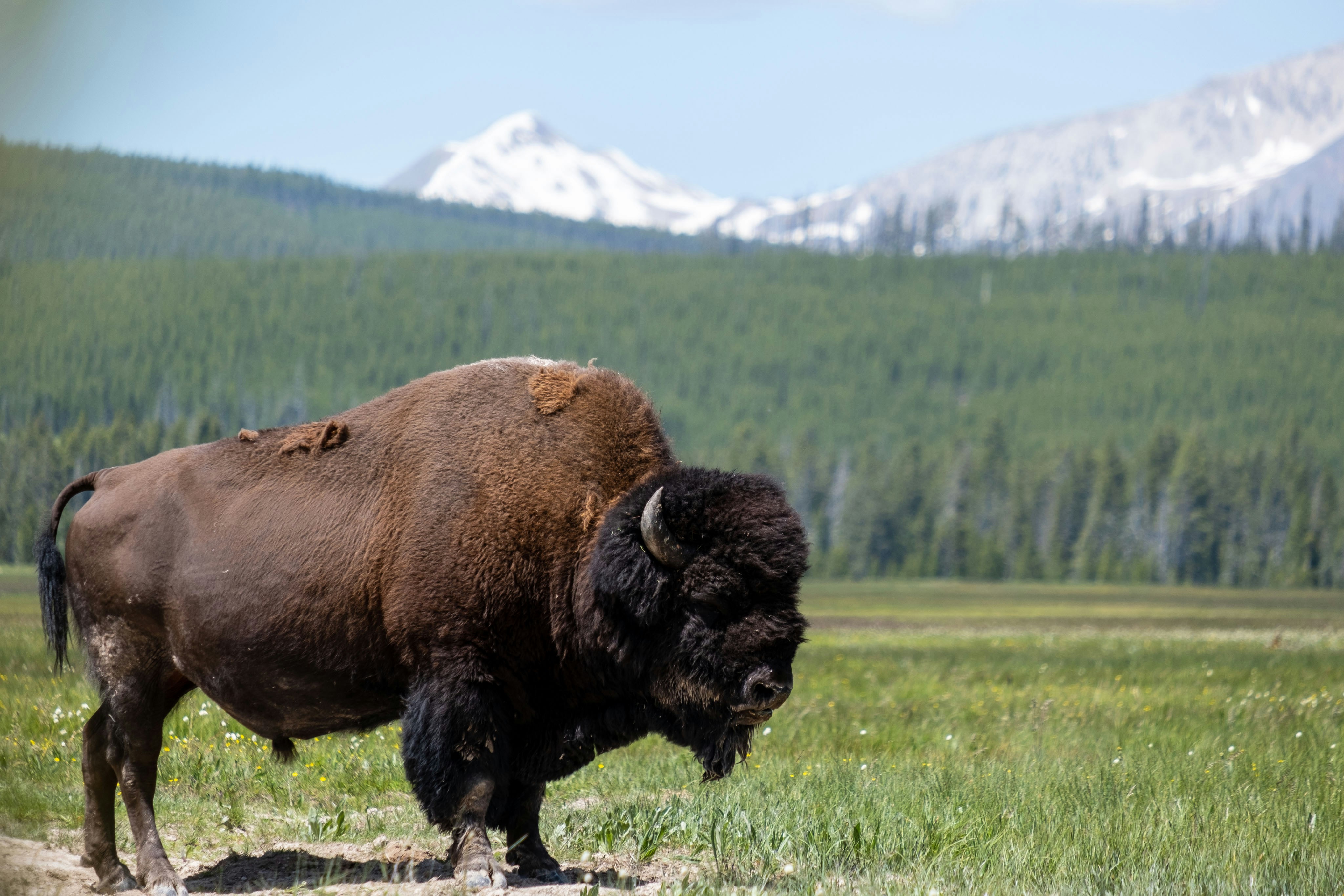
Let me set the scene. A dad is standing at the edge of a meadow in a national park. His toddler is on his shoulders. A bison appears. And instead of backing away slowly — which is the correct decision — he panics and throws his child toward the animal.
That actually happened. And Jennifer was in the park for it.
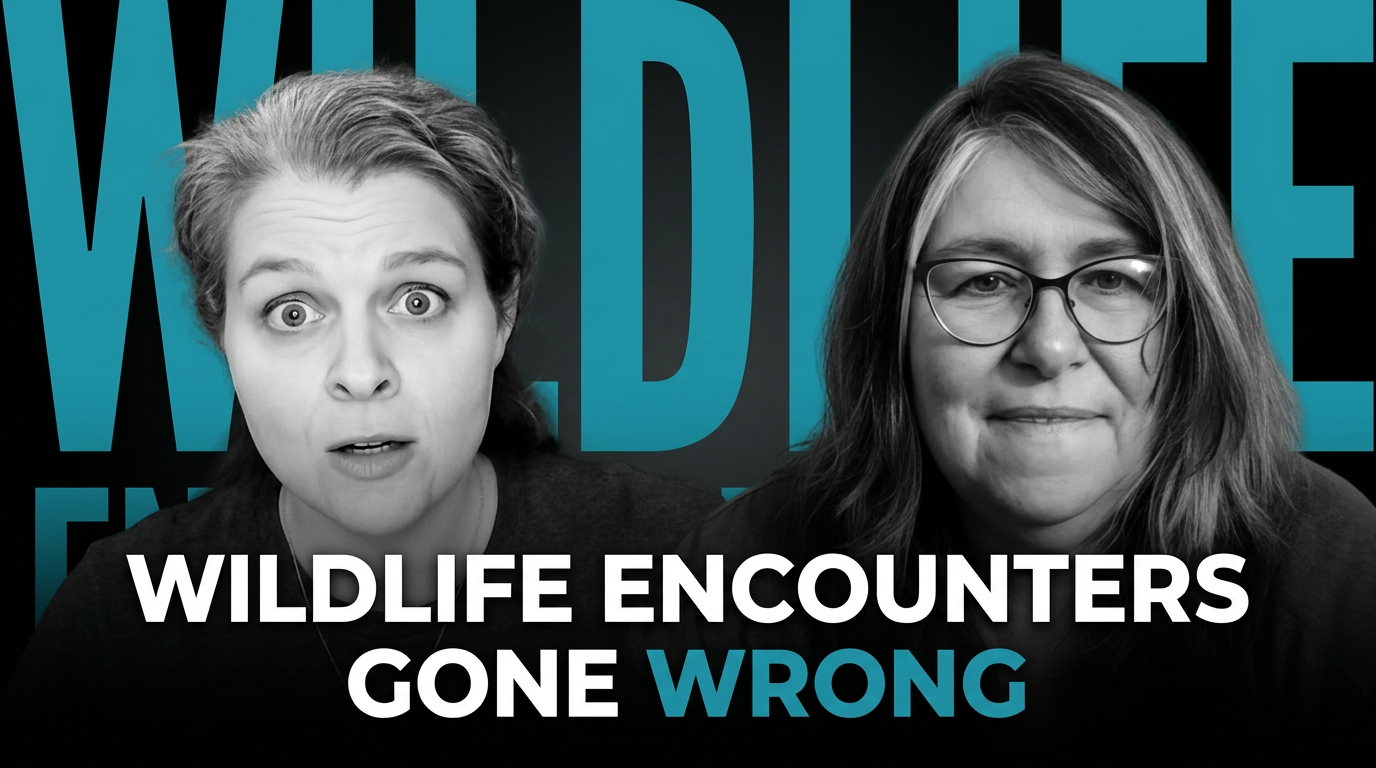
If that story made your jaw drop a little, you’re in the right place. Jennifer and I are talking about wildlife encounters on the road — the funny ones, the heartbreaking ones, the ones that ended in tragedy, and the ones that ended with a lizard crawling up someone’s arm at two in the afternoon in my own camper.
Whether you’re heading to a national park, full-timing across the country, or roadschooling your kids through some of the most spectacular natural spaces in the world, this is all for you.
What This Episode Is About
Jen and I cover a pretty wide spectrum of the wildlife you’ll encounter on the road — and I do mean wide. We start with the "tourons" phenomenon (yes, it’s now a real word, yes, it has a Wikipedia page, and yes, Anderson Cooper did a whole CNN segment on it) and work our way through bear spray, bison facts, thermal features, wildland fires, snakes, and what to do when a squirrel runs directly down your kid’s face while you’re giving haircuts outside the camper. Yep. That happened.

We pull from real stories, real research, and a lot of real talk from people who have been living and working in these spaces for years. You can also read Jennifer’s companion post on wildlife safety at learntorv.com to go even deeper on this topic.
This episode is perfect for you if you’re:
• A family heading to a national or state park this spring or summer and want to show up prepared
• Full-timing or part-timing and encounter wildlife at campgrounds, on trails, or just parked on public land
• Roadschooling or homeschooling and want to turn wildlife safety into an honest, real-world lesson for your kids
• New to RV life and have never thought about bear spray, bison distances, or what to do in a wild animal encounter
• Someone who has seen way too many "tourons of Yellowstone" posts and wants to make sure you are never featured on one
• A seasoned traveler who knows the rules of animal safety but could use a refresher
What You’ll Learn
The full stories and the real-life stakes are in the episode. But here’s a taste of what we cover.
The Tourons Phenomenon and Why It Matters
Jennifer introduced me to this term early in our friendship, and I have never forgotten it. Tourons — a mashup of tourists and morons — describes people who make genuinely dangerous decisions around wildlife at national parks. There are entire social media accounts dedicated to documenting this: Tourons of Yellowstone, Yellowstone National Park Invasion of the Idiots (trademarked, with an exclamation point, because they mean business), Tourons of National Parks on Instagram, subreddits, TikTok channels, and more. Anderson Cooper even covered it for CNN’s The Whole Story.
The goal isn’t to shame people. It’s to educate. Most people making these choices don’t realize they’re doing something dangerous. They just don’t know.
The Four Universal Wildlife Rules
Every national and state park posts some version of these four rules, and for good reason. Knowing them before you arrive is the first step.
• Never approach wildlife
• Stay on boardwalks and designated trails
• Never feed wildlife
• Never park in the road or block traffic
And here’s one that isn’t posted on signs but should be: it is illegal in national and state parks to feed, touch, tease, frighten, or intentionally disturb wildlife. Rangers can and do issue tickets. Each park sets its own fine amounts. Know this before your visit.
Bear Safety: What to Know Before You Hit the Trail
Jennifer spent time working and living in the Yellowstone area and has more bear stories than most of us will ever collect. Here’s what she wants you to know before you go out there.
| Bear Safety Do’s | Bear Safety Don’ts |
| Hike in groups whenever possible | Don’t hike alone, especially in bear country |
| Make noise on the trail so bears hear you coming | Don’t wear headphones — you need to hear your surroundings |
| Carry bear spray and know how to use it (aim straight out, stay downwind) | Don’t spray bear spray on yourself or your kids like insect repellent — it will cause serious burns |
| Watch for tracks and scat as indicators that wildlife is nearby | Don’t run if you encounter a bear — running triggers a chase instinct |
| Get bigger as a group if you come face to face with a bear — cluster together, spread out slightly, make noise | Don’t approach a bear, even a cub — mama is never far |
| Keep dogs leashed, vaccinated, and under control | Don’t let children or pets run ahead on trails |
| Store food and anything with a scent in bear boxes or lockers | Don’t leave coolers, food wrappers, or scented items in your vehicle |
In 2025, 73 bear deaths were recorded in Yellowstone alone. It takes a mama bear eight years to repopulate the population after a loss. The choices we make when we encounter these animals — or when we drive too fast through a park — have long-lasting consequences we often never see. Visit the National Park Service for park-specific guidelines before your trip, and check out the NPS Outdoor Hazards page for a full breakdown.
Don’t Pet the Fluffy Cows: Bison Facts That Will Change Your Mind
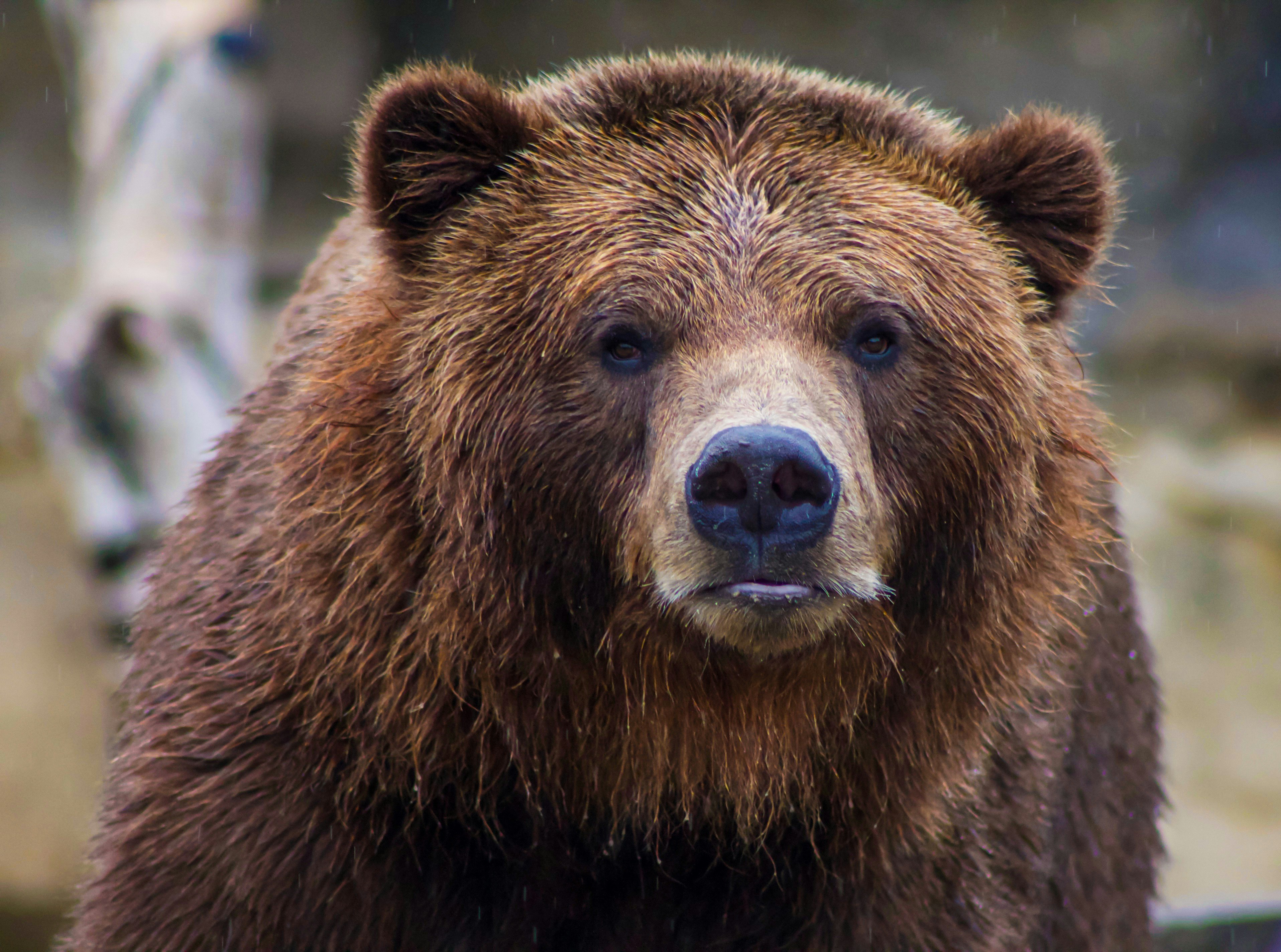
I kept seeing videos of people approaching bison like they were going to pet the neighbor’s golden retriever. So, I need you to know a few things:
• A male bison can weigh up to 2,000 pounds
• A bison can run up to 40 miles per hour — that’s the speed limit on most city streets
• A bison can jump high enough to clear a five-foot fence
• If a bison notices you, get out. You do not want its attention.
Thermal Features, Wildland Fires, and Other Hazards Most People Don’t Think About
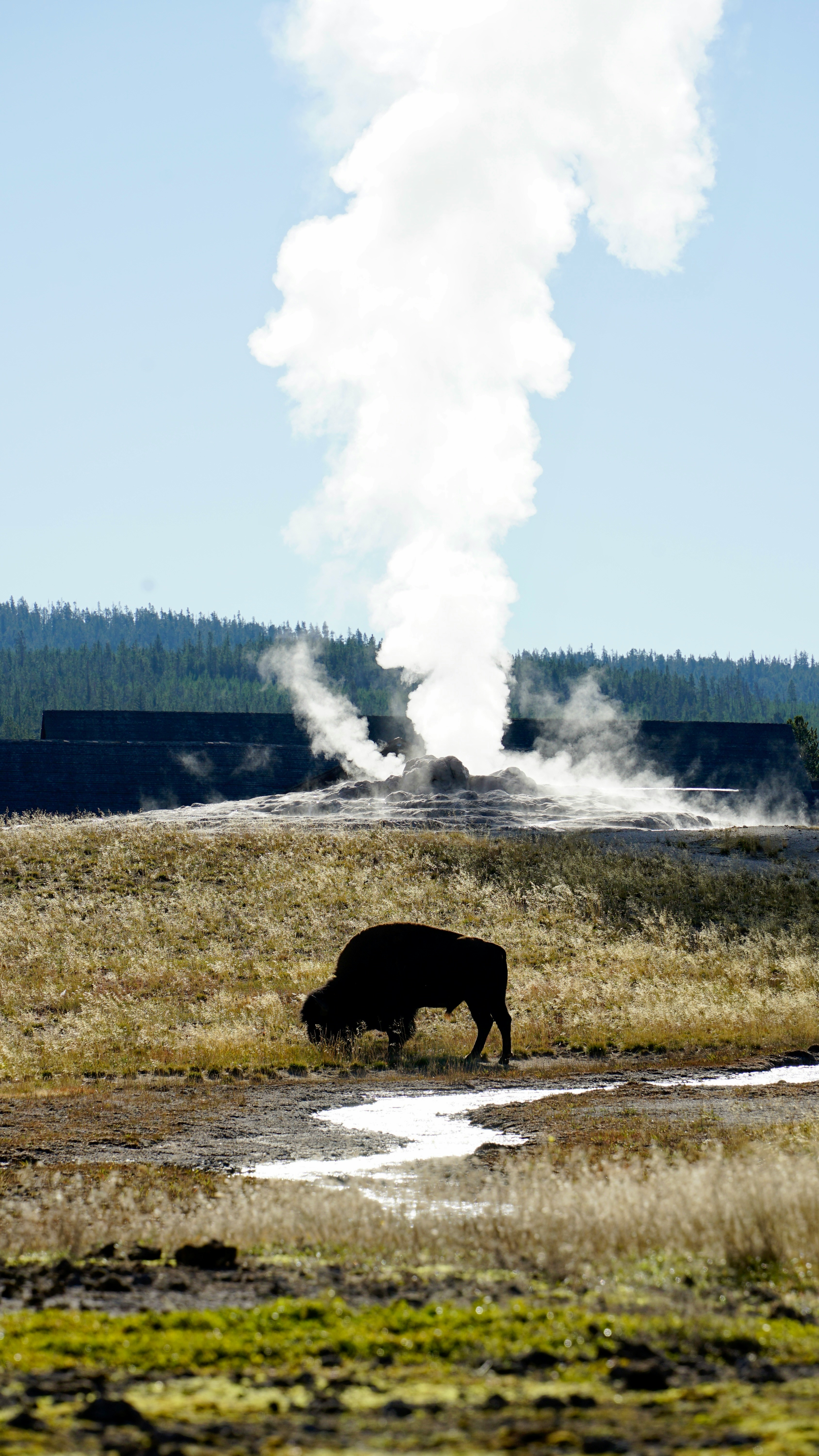
Wildlife isn’t just the animals. In Yellowstone and other geologically active parks, the land itself is dangerous. In Yellowstone, 22 people have lost their lives to hydrothermal injuries — more than from bear and bison incidents combined. Hot springs can be above boiling point. Some are as acidic as battery acid. And that crust around the geysers? It can be less than half an inch thick. Stay on the boardwalks. Do not touch the water.
When entering a park for a hike, always leave your itinerary with someone not on the trip, and register at the trailhead. Check in at the ranger station so the park knows how many people are on the trails.
For wildland fires, here are a few things to know:
• White smoke = faster-burning, shorter-duration fuel like dry grass
• Dark smoke = thick brush or timber, longer-burning and more likely to carry embers far
• If the column of smoke is bending toward you, the fire is moving in your direction
Snakes, Fire Ants, and the Wildlife You Forgot to Think About
I’m just going to say it: I do not like snakes. Jennifer does not share my opinion, and she has some genuinely useful things to say about them, so I stepped back and let her take this one. Here’s the short version:
• Not all snakes are dangerous — they serve a real purpose in controlling rodent populations
• Wear pants and closed-toed shoes on trails (not sandals — yes, even in warm weather)
• Vipers typically have a triangular head — that’s a visual indicator worth remembering
• If you hear a rattle, stop. Identify the direction before you move.
• A six-foot snake typically only strikes within about a three-foot reach
• If bitten, take a photo of the snake if you safely can, then get to the ER immediately
• Fire ants and other insects are also real hazards — keep a solid supply of antihistamines on board
Step-by-Step: What To Do If You Encounter Wildlife on the Road
| Step | What To Do |
| 1 | Remain calm. Do not run. Give the animal as much space as possible. |
| 2 | Back away slowly without turning your back on the animal. |
| 3 | Do not attempt to touch, feed, photograph up close, or interact with the animal in any way. |
| 4 | If you are in a vehicle, stay in the vehicle. Pull to a designated pull-off or stop-in, not the middle of the road. |
| 5 | If you encounter a bear, get bigger as a group, make noise, and deploy bear spray if necessary (aimed straight out, stay downwind). Do not run. |
| 6 | If a baby animal appears lost or separated, do not touch it and do not take it to a ranger station. Leave it where it is so the mother can return. |
| 7 | If you come into physical contact with any wildlife — even accidentally — report it to a park ranger. |
| 8 | If you see sick, dead, or strangely behaving animals, or if wildlife approaches you voluntarily, notify a ranger immediately. |
| 9 | If someone else is not following park guidelines, gently remind them. If they continue, contact a ranger. |
| 10 | If you see smoke or evidence of fire, call 911. If you are injured, go to the ER. Do not treat a wildlife injury on your own. |
Ready to Dive Deeper?
The full episode is where all of this really comes alive, including Jennifer’s story about the woman who sorted Yellowstone animal crackers to feed to the corresponding animals, the black bear cub that was separated from its mother because someone picked it up for a photo, and the Yellowstone grizzly that had to be put down after learning to upend 800-pound bear-proof dumpsters to access human food.
For more resources and guides on staying safe in the outdoors, explore everything at learntorv.com. You’ll find Jennifer’s full companion post on wildlife encounters at learntorv.com/wildlife-encounters-on-the-road, and a great guide on personal safety on the road at learntorv.com/personal-safety-on-the-road.
We also mention the MyMedic first-aid kit in this episode — it’s what my family uses and recommends for life on the road. For more official trip planning and safety resources, check out the NPS Trip Planning Guide before your next park visit.
And if you’ve been thinking about joining the Campfire Crew on Patreon, this is a great episode to jump in on. Our Campfire Crew members get early access to every episode, exclusive bonus content, free merch, and a community of RVers who are genuinely living this life every day. Three membership tiers, each with different perks. Your first week is free, so it’s a pretty low-stakes way to see if it’s your vibe. You can also buy us a coffee if you want to show some love that way.
We’re also collecting stories for our upcoming Campfire Confessions episode! If you have a wild story you’d like us to read around the virtual campfire, send it to connect@learntorv.com. If yours gets read on air, we’ll send you a Campfire Confessions sticker.
Where to Listen and How to Connect
Catch “Don’t Pet the Fluffy Cows: How to Safely Share Spaces With Wildlife on the Road” on Spotify, Apple Podcasts, iHeartRadio, YouTube, and everywhere else podcasts are streamed. Find us at learntorvthepodcast.com.
Join the Campfire Crew on Patreon to support the podcast and unlock early access, exclusive bonus episodes, and member merchandise. Three membership tiers, each with its own perks. What’s not to love?
Connect with the community in the free Learn to RV: The Community on Facebook. Follow @LearnToRV on Instagram for behind-the-scenes moments and travel inspiration.
Explore more RV tips, resources, and guides at learntorv.com. Watch us on the Learn To RV YouTube channel.
The Wilderness Is Worth It — Go Prepared
Here’s what I want you to take away from this one: wildlife encounters are some of the most incredible moments you will ever have on the road. Jennifer and I have both had them. Sitting in a car while a bison herd grazes all around you at golden hour. Watching a hawk catch thermals above a canyon. Spotting a moose in the early morning fog. These are the moments that make you feel fully, completely alive.
But you are in their space. They were there first. And the best gift you can give these animals — and yourself and your family — is to show up informed, keep your distance, and let wildlife be wild.
Learn To RV: The Podcast exists for every kind of RVer, full-timer, part-timer, weekend warrior, or still-deciding, who wants honest, real-talk knowledge from people actually living this life. We hope you find exactly what you’re looking for here.
Subscribe so you never miss an episode, share learntorvthepodcast.com with a fellow traveler, and leave a review to help other RVers find this community. The road is better when you know what’s out there.
Sponsored by RV Roofing Solutions
Your RV is your home, your family’s basecamp, and the starting point for every adventure. Protecting it starts at the top. RV Roofing Solutions provides comprehensive RV roof inspections and repairs, traveling nationwide to meet you wherever your rig is parked.
Visit rvroofingsolutions.com to schedule your free consultation. When your roof is protected, you’re free to focus on what matters: the journey, the people, and the adventures ahead.
This post may contain affiliate links. We may earn a commission if you make a purchase through these links, at no extra cost to you.
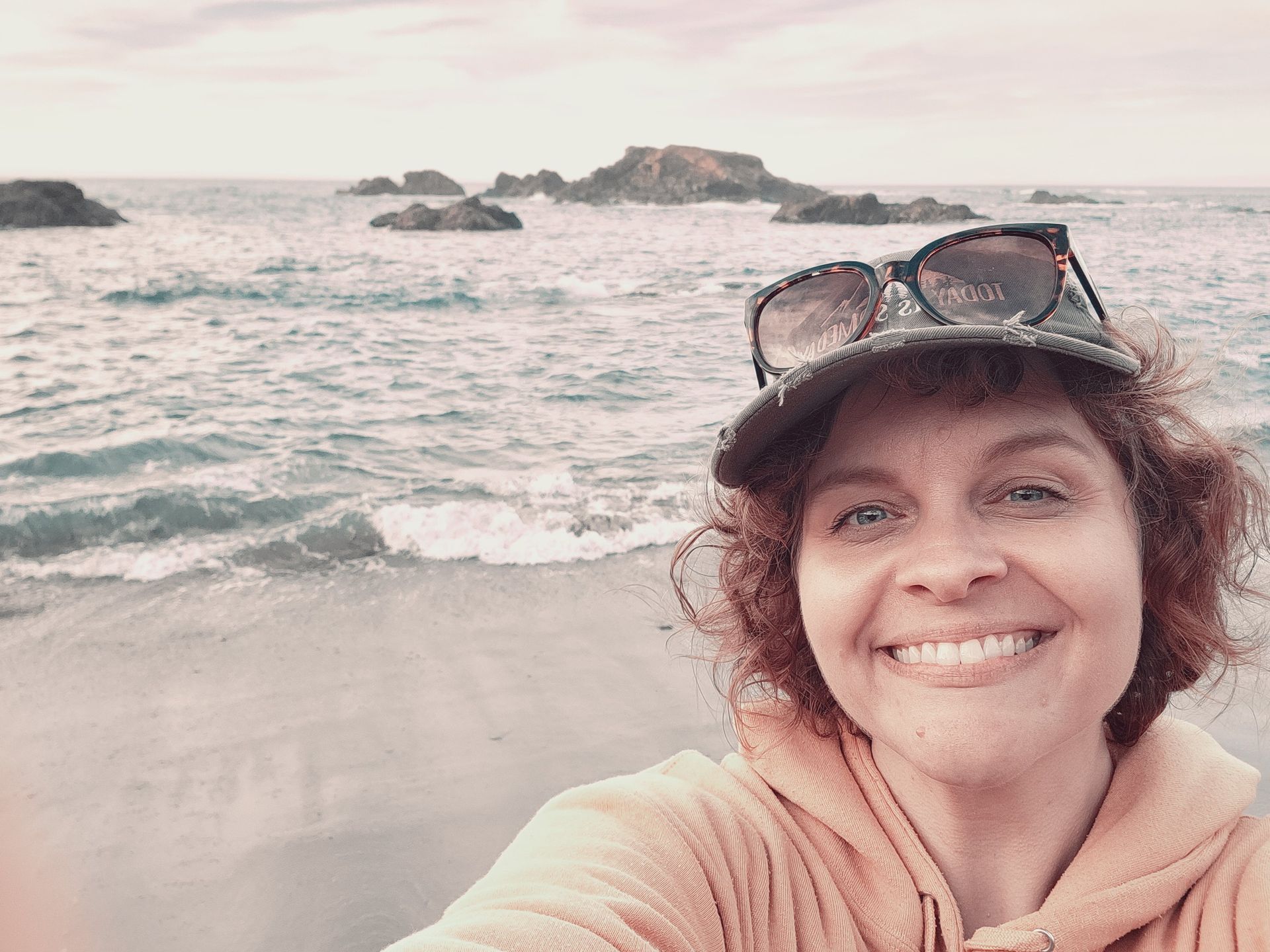
By day, Tasha Martin wears the title of copywriter extraordinaire, crafting compelling stories and sharp, strategic messaging. But when night falls, she steps into her second superpower—podcast queen. With a natural gift for conversation and a voice that draws listeners in, Tasha brings energy, curiosity, and heart to every episode she helps create.
When she’s not writing or podcasting, you’ll find Tasha out exploring. She loves traveling with her family and seeking out unique outings, hidden gems, and memorable experiences on the road. Whether it’s a quirky roadside stop, a scenic trail, or a new town to wander through, Tasha brings the same sense of adventure to her travels that she brings to her creative work.
A storyteller, a traveler, and a connector—Tasha is the kind of voice every RV community needs.