Dyslexia Isn’t a Barrier — It’s a Brain Difference: How to Help Your RV Kid Read, Write, & Thrive
Dyslexia Isn't a Barrier is proudly sponsored by RV Roofing Solutions — keeping RVers protected on the road and under the sky.
If Your Kid’s Brain Doesn’t Work Like the Textbook, Keep Reading
Three of Jennifer’s seven kids are dyslexic. So is her husband, Frank. And for years, she did what most parents do. She adapted, improvised, and hoped she was doing enough. Then she found the right tools, and everything changed.
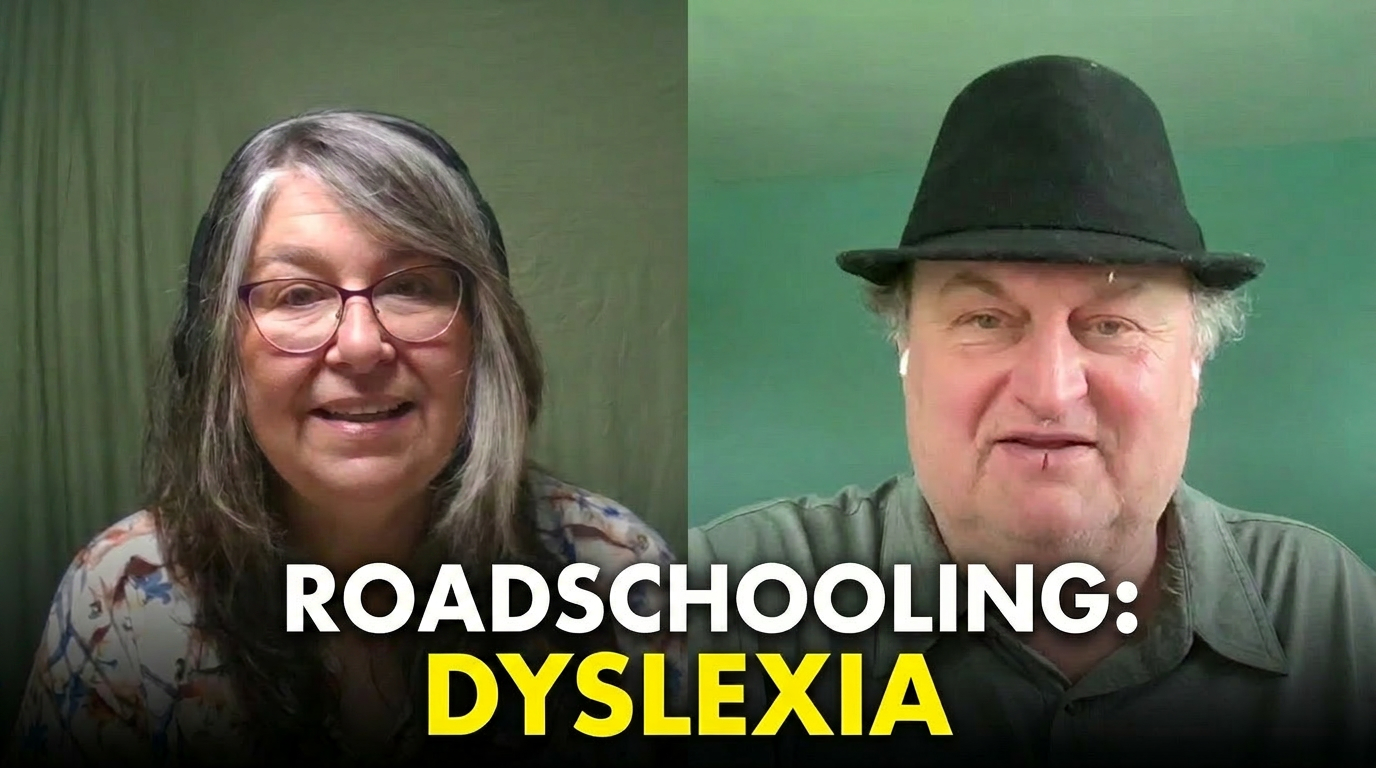
In this episode of Learn To RV: The Podcast, Jennifer sits down with Russell Van Brocklen, a New York state senate-funded dyslexia researcher and founder of dyslexiaclasses.com, to talk about what dyslexia really is, how to spot it in your child, and a research-backed method that took one student from the 11th percentile reading level to the 64th in less than nine months.
That’s not a typo. And it’s not magic. It’s science, and Russell has been proving it works for decades.
What This Episode Is About
Russell’s story starts the way the best ones do: with failure. As a college student with a first-grade reading and writing level, he was failed out of 15 credits by a university that didn’t know what to do with him. So, he decided to find the solution for dyslexia himself.
What followed was years of New York state senate-funded research, a collaboration with a SUNY-distinguished professor, and a curriculum that has now been tested on hundreds of students — from a 10-year-old fascinated with Theodore Roosevelt who jumped eight grade levels in six months, to a fifth-grade boy whose reading level went from the 11th percentile to the 64th in less than nine months.
“Your child is not broken. Their brain might just be wired differently than the system you’ve been taught your whole life.” — Jennifer
And the most powerful part? Russell’s method doesn’t require a private school, a specialist, or a $75,000-a-year program. It requires a laptop with a real keyboard, an understanding parent, and the willingness to start where the child actually is.
Who This Episode Is For
This episode is for you if:
• You’re a roadschooling or homeschooling family and you’ve noticed your child struggling to put their thoughts on paper even when they clearly know the material
• Your child has been flagged for dyslexia or shows signs of it, like reversed letters, randomly placed misspelled words, or ideas that vanish the moment they touch a keyboard
• You’ve tried the traditional approaches and they haven’t stuck or you can’t afford the ones that work
• You suspect your child might be dyslexic but have no IEP coordinator, no school system check-in, and no idea where to start
• Your child is brilliant in conversation but the page tells a completely different story
If any of those sound familiar, this episode will feel like someone finally handed you a map.
What You’ll Learn
Here’s a taste of what Russell and Jennifer cover:
The Two-Question Test
Russell uses just two questions to determine whether a child may be dyslexic — questions he’s asked over 500 times with more than 90% accuracy. You can ask them yourself. Today. No testing facility required.
Why Pens, Pencils, Cell Phones, and Tablets Are Working Against Your Child
This one might surprise you. Russell explains the brain science behind why handwriting and touchscreens can actually reduce a dyslexic child’s output to as low as the 6th or 7th percentile, even when the same child scores in the 70th percentile on a real keyboard. The tool matters more than most parents realize.

The Method That Starts with Dungeons & Dragons (or Whatever They Love)
Russell’s approach begins with the child’s area of extreme interest. Not the curriculum. Not the textbook. In real time during the episode, he walks Jennifer through the method using her own 14-year-old son, Judah, and his love of D&D as the example. It’s one of those moments where you can hear the lightbulb turn on.
From Sentences to College-Level Writing, Step by Step
The method doesn’t stop at basic sentences. Russell explains how the same framework scales all the way to body paragraphs, thesis statements, and eventually — for students like 10-year-old Grayson, who wants to terraform Mars — peer-reviewed journal articles.
Dyslexia as an Unfair Advantage
Yes, you read that right. Russell explains how the dyslexic brain’s front-lobe overactivity becomes a profound strength in grad school, in skilled trades, and in the age of AI and why the students who learn to harness it often outperform their peers within years.
What to Do About AI
Jennifer asks the question every roadschooling parent is thinking: does AI help dyslexic kids or hurt them? Russell’s answer is nuanced, practical, and, if you’re raising a kid who’ll enter the workforce in the next decade, essential.
A Glance at Russell’s Method
Here’s a simplified version of the framework Russell walks through in the episode:
| Step | What It Looks Like | The Goal |
| 1 | Specialty: Start with the child’s area of extreme interest | Activate the front brain’s 2.5x neural advantage |
| 2 | Laptop only: No pens, pencils, or touch screens | Remove the handwriting bottleneck |
| 3 | Simple sentences: Use a hero + subject formula | Build grammar through repetition and reading aloud |
| 4 | Fix spelling: Retype the whole sentence on each error | Hardwire correct spelling through muscle memory |
| 5 | Scale to paragraphs: Use word analysis + articulation | Move from sentences to structured arguments |
| 6 | Thesaurus: Build vocabulary from the inside out | Develop reading level and precision simultaneously |
| 7 | Introduce AI: Only after advanced body paragraphs are solid | Teach them to evaluate quality — not just generate output |
Ready to Dive Deeper?
If you want to explore Russell’s program, start at dyslexiaclasses.com. There’s a free guide and a button to set up a free 30-minute consultation with Russell directly. For the course itself — which runs just $147/month for the whole family, not per student — head to skool.com and search for “Dyslexia Classes.”
If you’re looking to build out your roadschooling toolkit beyond this episode, these resources from Learn To RV are a great place to keep going:
• Roadschooling Resources on learntorv.com: Your home base for learning on the road
• College Credit on the Road: How roadschooling teens can earn a degree from anywhere
• Back to School with IXL: Personalized learning tools for families who want a confident start
• Roadschooling Resources on Facebook: A community of families doing exactly what you’re doing
Where to Listen & How to Connect
You can catch this episode anywhere you stream podcasts — Spotify, Apple Podcasts, and everywhere else — to listen now.
Come find us on YouTube, follow our adventures on Instagram at @LearnToRV, and join our free Learn To RV Facebook Community where roadschooling families, full-timers, and weekend warriors connect every day.
And if you’re ready to go deeper into the community, the Campfire Crew is waiting for you. Join us on Patreon for bonus content, early access, exclusive episodes, and swag — first 7 days free. Or drop us a tip at Buy Me a Coffee if this episode moved you. ☕
Your Child’s Brain Isn’t the Problem
Here’s the thing about dyslexia that Jennifer and Russell keep coming back to: it’s not a deficit. It’s a difference. A difference that, in the right environment, with the right tools, can become the very thing that sets a kid apart and gives them an upper hand for the rest of their life.
If you’re out there on the road, raising kids outside the system, already doing things differently, you’re already halfway there. Now you have the other half.
“If you’re listening to this episode and you have this knot in your stomach right now — that’s not a verdict. It’s just information. And now you have more of it.” — Jennifer
Share this episode with a roadschooling family who needs it. And if it resonates, email us at learntorv@gmail.com. If your story gets read on air during Campfire Confessions, we’ll send you a sticker.
This Episode Is Sponsored by RV Roofing Solutions
Before you hit the road, make sure your roof is ready for whatever the sky throws at it. RV Roofing Solutions has the products and expertise to keep your rig sealed, protected, and rolling. Check them out at rvroofingsolutions.com.
Some links in this post may be affiliate links. If you purchase through them, Learn To RV may earn a small commission at no additional cost to you. We only recommend products and resources we genuinely believe in.
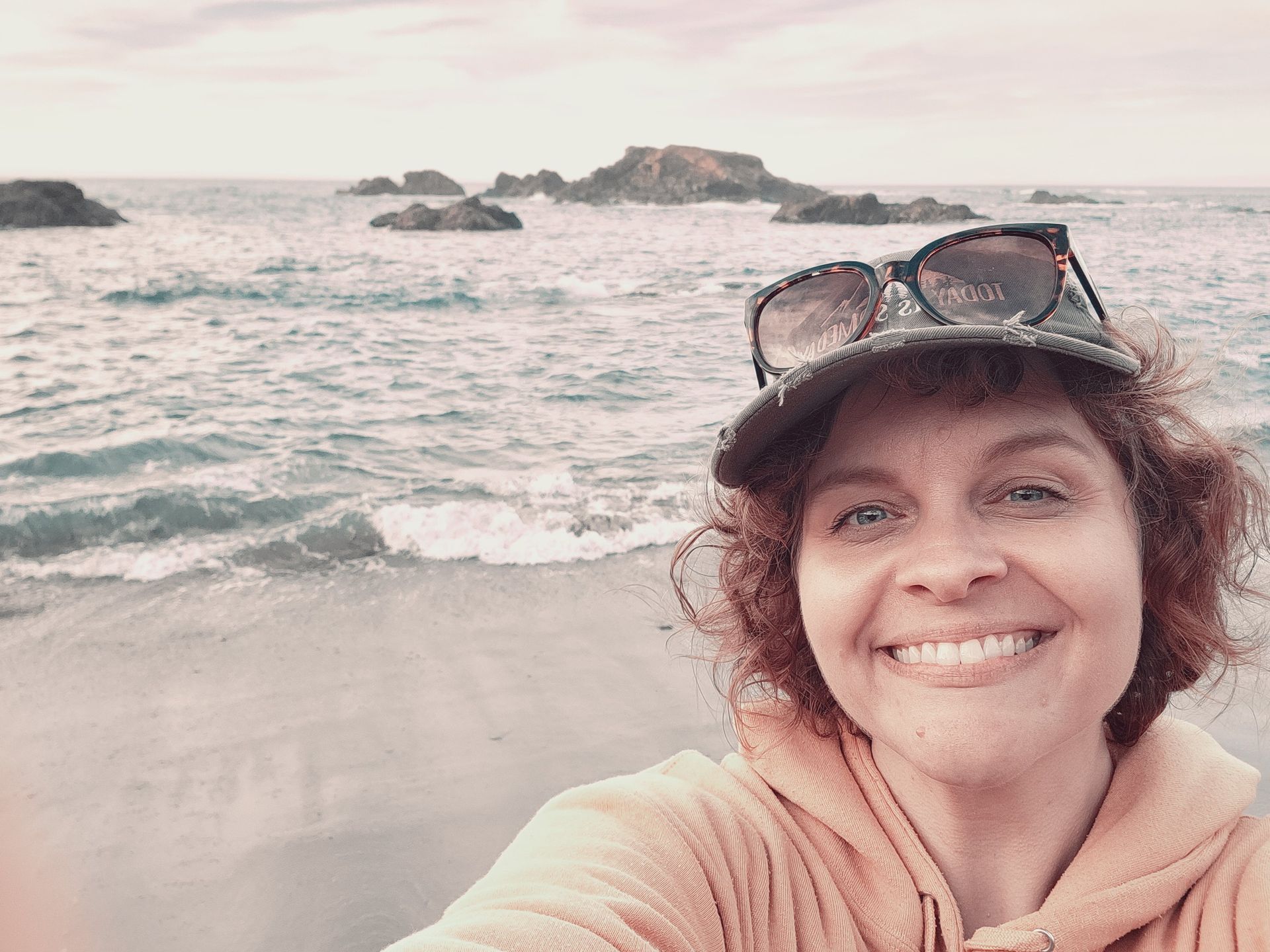
By day, Tasha Martin wears the title of copywriter extraordinaire, crafting compelling stories and sharp, strategic messaging. But when night falls, she steps into her second superpower—podcast queen. With a natural gift for conversation and a voice that draws listeners in, Tasha brings energy, curiosity, and heart to every episode she helps create.
When she’s not writing or podcasting, you’ll find Tasha out exploring. She loves traveling with her family and seeking out unique outings, hidden gems, and memorable experiences on the road. Whether it’s a quirky roadside stop, a scenic trail, or a new town to wander through, Tasha brings the same sense of adventure to her travels that she brings to her creative work.
A storyteller, a traveler, and a connector—Tasha is the kind of voice every RV community needs.