National Park Changes 2026: What Every RVer Needs to Know Before You Reach the Gate
National Park Changes 2026 is sponsored by RV Roofing Solutions, keeping RVers protected on the road.
A Wooden Jewelry Box and a Whole Lot of Awe
When we sat down to record this episode and pulled up my notes, what actually appeared on my screen was a photo of my family standing in front of a national park. Which, somehow, is the most on-brand thing that could have happened. Because for me, national parks have never been about the logistics. They've been about the memories.
The first time I ever stood in front of Old Faithful, I was about ten years old, a Kansas City kid with zero frame of reference, watching the earth shoot water into the sky and absolutely losing my mind over it. My other vivid memory from that trip? A little carved wooden jewelry box in the gift shop with a wind-up tune inside. Nothing fancy. I can still see it. That's what these places do. They hand you moments you carry forever, whether it's a geyser, a canyon, or a $12 trinket that imprints on your soul.
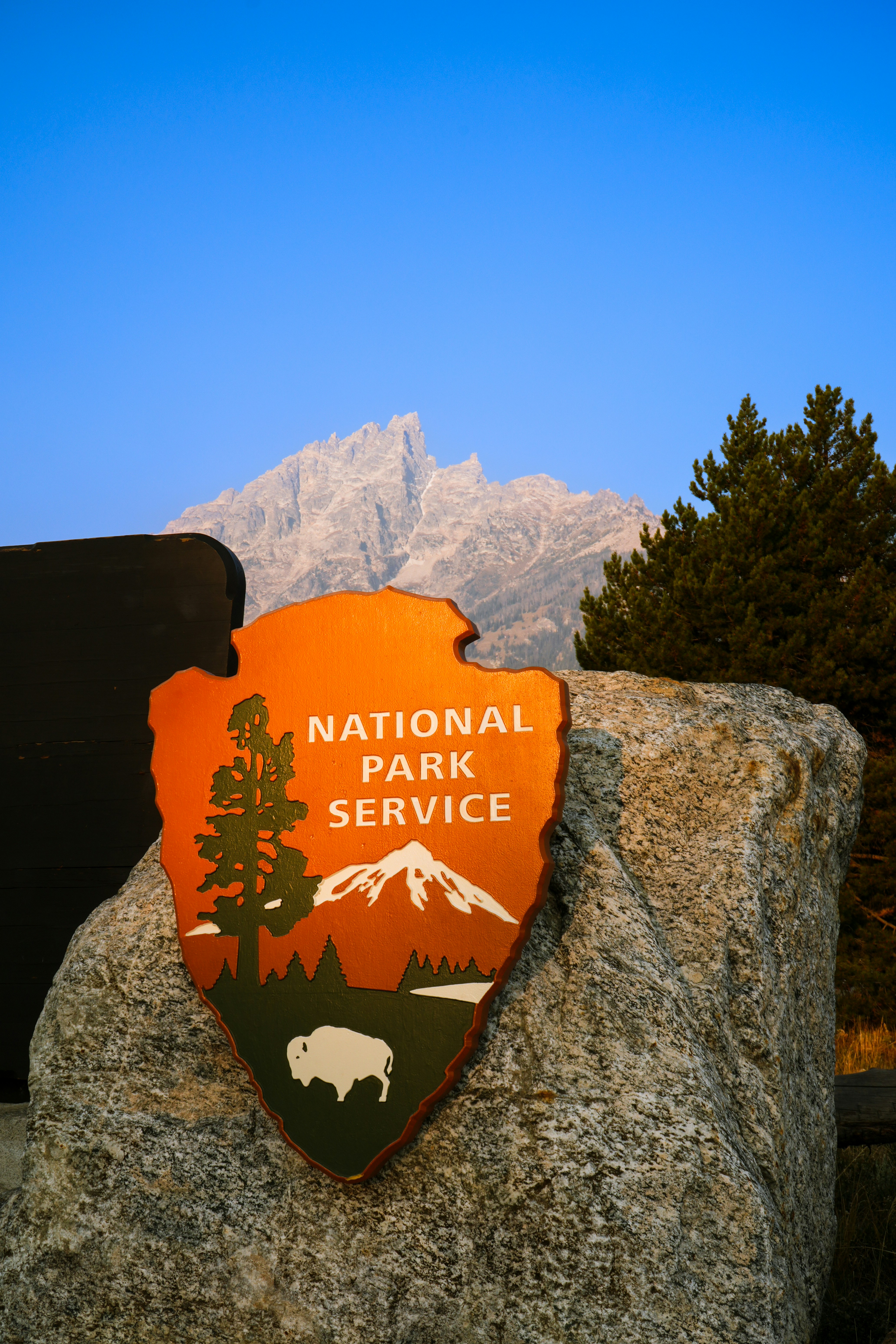
So Jennifer and I wanted to protect your trip this year, because 2025 and 20266 brought some real changes to the National Park System — at the pass window, at the gate, and what you'll find once you're inside. One of these surprises can throw off an entire trip, and we'd rather you show up prepared.
"We want to make sure everybody has all the tools they need in their toolbox to make decisions for themselves." — Jennifer
What This Episode Is About
Welcome to your plain-English rundown of the major 2026 National Park updates — passes, pricing, fee-free days, reservations, and staffing — so you arrive ready instead of caught off guard. I did some deep-dive research and specifically went looking for fair, nonpartisan reporting. Our goal is always the same: give you the facts, not the spin.
It's mostly practical and friendly, with a few light campfire stories sprinkled in. I'll be honest, though. There are a few heavier moments, too. We don't shy away from those, but we keep it fair and factual, because around our campfire there isn't a line. We're all just here together.
Who This Episode Is For
This one's for you if:
• You're buying your first pass and aren't sure what the America the Beautiful Pass covers
• You're planning a multi-park summer and want to know when the pass pays for itself
• You're hosting international friends or family or visiting from outside the U.S., because the rules changed a lot for you
• You travel with kids and want to know how to take advantage of the free perks available to them
• You're a last-minute planner who needs to hear that "book early" has never mattered more
• You usually use the fee-free days and need to know how they’ve changed
• You want all the facts about what's different this year in one easy place so you’re not surprised
What You'll Learn
The America the Beautiful Pass Got an Overhaul
The America the Beautiful Pass is still the smartest buy in the system if you're visiting more than one park — one card gets everyone in your vehicle into national parks, monuments, and federal lands for 12 months. But several things changed for 2026:
Pass Detail | 2026 Update |
Price for U.S. residents | Still $80 |
Price for non-U.S. residents | Now $250 (up from $80) |
Digital pass | Now available — keep it on your phone |
Physical pass shipping | $7.50 to mail; free if you pick up in person |
Motorcycles per pass | Now 2 bikes (previously 1) |
One important note: the pass covers entrance, not camping. And do not put a sticker or cover over the card's artwork. Under the current policy, a covered or defaced card can be taken at the gate, and you'll be buying a new pass at full price. Keep it exactly as it was sold to you, and bring a photo ID, since everyone named on a pass over the age of 16 may be asked to show one.
The New $100 Non-Resident Surcharge at 11 Parks
This is another one our international visitors really need to know. Eleven of the most-visited parks now charge non-U.S. residents an added $100 per person at the gate if they don't hold the America the Beautiful Pass, with U.S. residency verified by a government-issued photo ID. This surcharge is added to the price of admission. The parks:
• Acadia
• Bryce Canyon
• Everglades
• Glacier
• Grand Canyon
• Grand Teton
• Rocky Mountain
• Sequoia & Kings Canyon
• Yellowstone
• Yosemite
• Zion
Here's the practical math: for an international visitor with a family or a couple hitting even just one park, that $250 annual pass pays for itself. And if you’re a single individual, hitting two parks, the pass is the way to go. Regardless of what is right for you, if you're traveling from outside the country or hosting someone who is, this is definitely an increase you’ll need to plan for before reaching the booth.
Fee-Free Days Dates and Rules Changed
The number of fee-free days actually went up for 2026, but the dates shifted significantly, so grab a calendar.
Four familiar ones are gone:
· Martin Luther King Jr. Day
· Juneteenth
· National Park Week
· National Public Lands Day
The new list of designated days include:
2026 Fee-Free Day | Date |
Presidents' Day | February 16 |
Memorial Day | May 25 |
Flay Day/President Trump’s Birthday | June 14 |
Independence Day Weekend | July 3-5 |
National Park Service's 110th Birthday | August 25 |
Constitution Day | September 17 |
Theodore Roosevelt's Birthday | October 27 |
Veterans Day | November 11 |
A couple of things to keep in mind: fee-free days waive the entrance fee only — not camping, parking, or reservation fees — and per the Department of the Interior, they now apply to U.S. residents only. Check nps.gov for the complete, current list, and if you go on a free day, arrive early. Those days draw big crowds.
Three Big Parks Dropped Timed-Entry Reservations
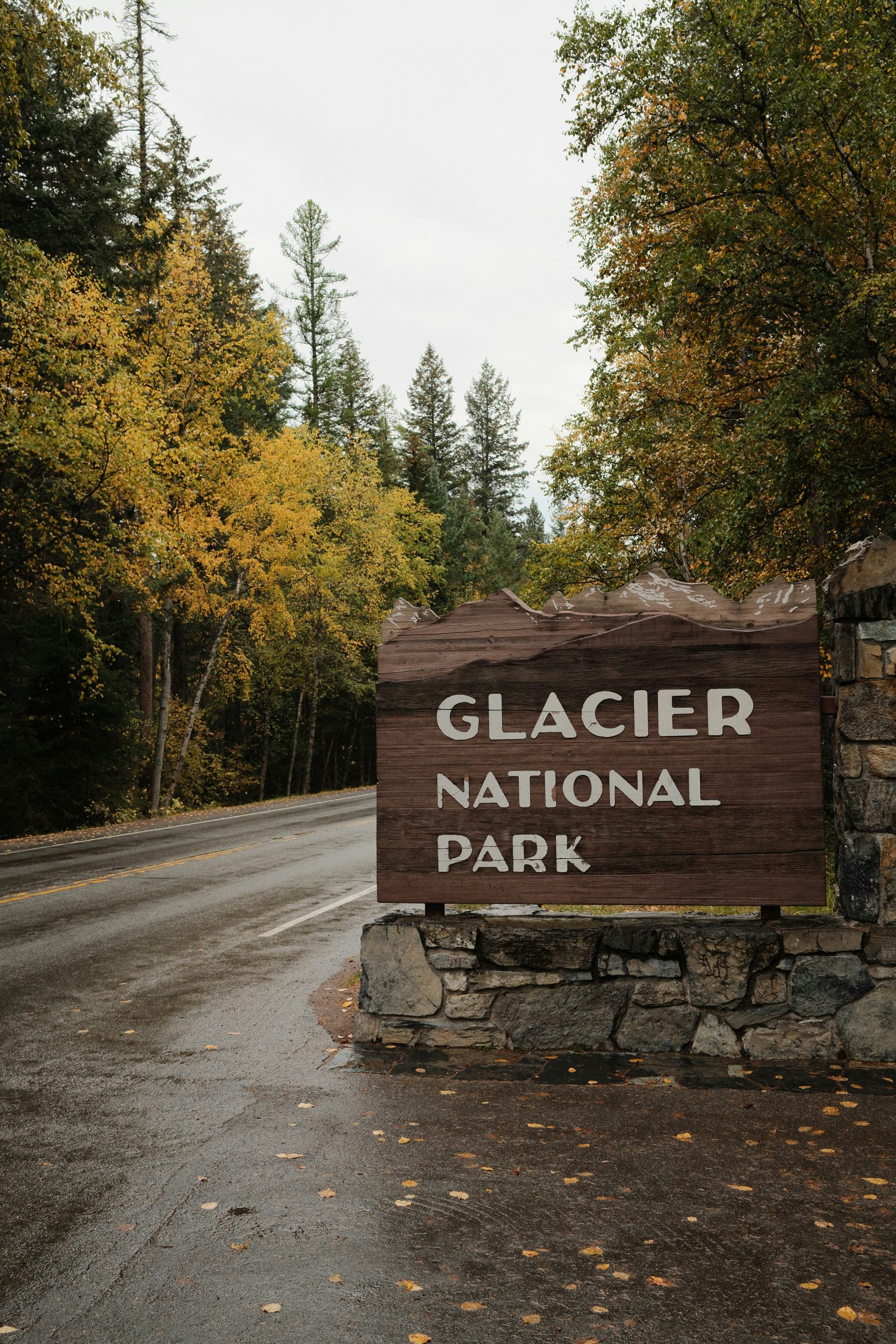
If you've been putting off Arches, Yosemite, or Glacier because of the timed-entry reservation hassle, good news: all three are dropping that requirement starting this summer. The Park Service says it's shifting to real-time traffic management with seasonal staff at congestion points instead. Still, plan to arrive early. Yosemite and Arches can hit capacity by mid-morning in peak season. And remember that even without an entry reservation, your in-park campsite booking is your golden ticket, so use that arrival window strategically. Book those sites far out (some parks fill a full year ahead) and double-check rig-length limits. Many in-park sites, like Joshua Tree, can only accommodate rigs up to 30 feet long.
Staffing and Services May Look a Little Different
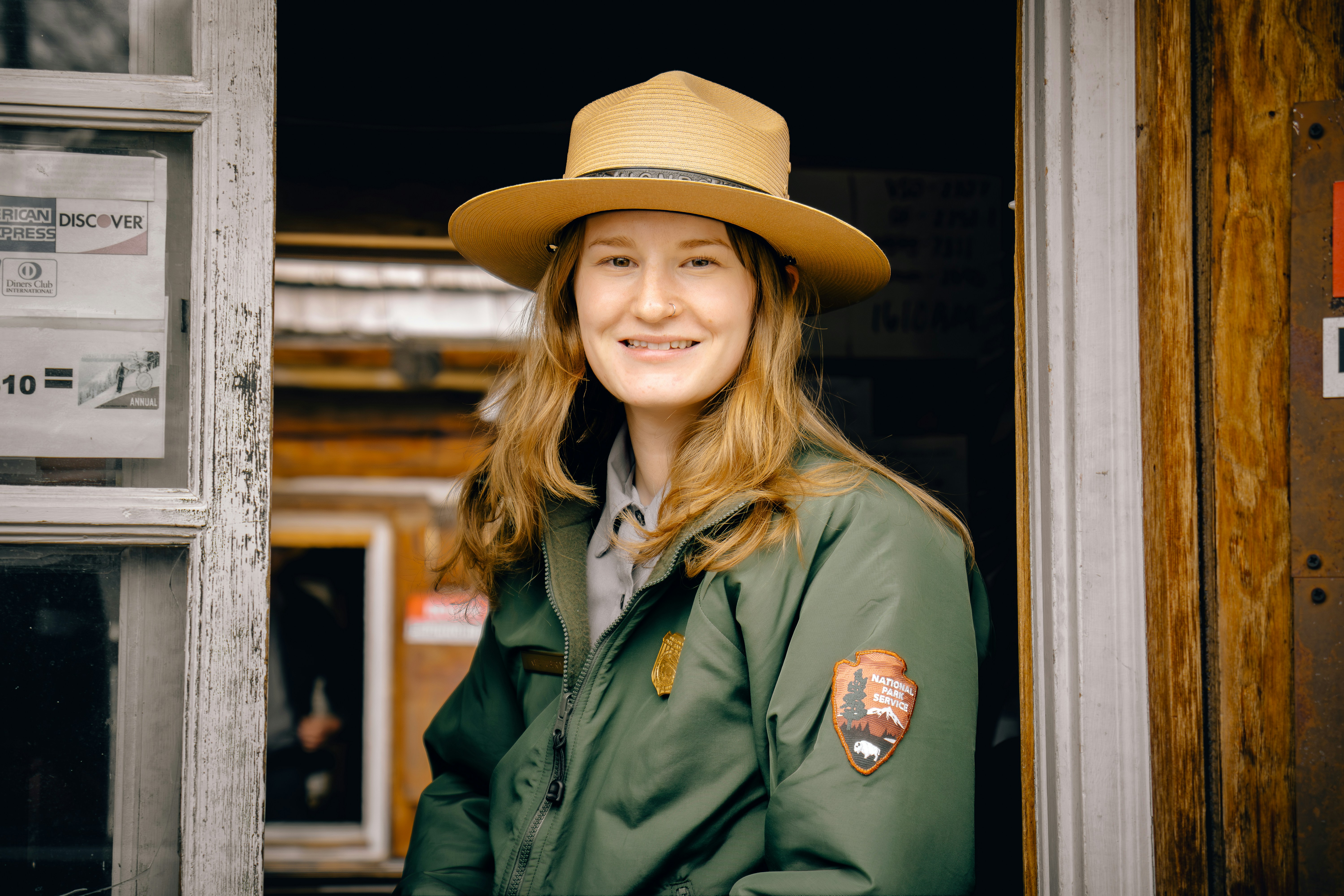
This change won't hit your wallet, but it may shape your experience. The Park Service has seen significant staffing reductions, which on the ground can mean reduced visitor-center hours or closures, fewer ranger-led talks, walks, and guided tours, and maintenance crews stretched thin at some parks. Funding for the rest of the fiscal year is flat, so no dramatic service cuts are to come, but no growth either.
You may also notice that some exhibits and displays have been altered at certain parks as part of an ongoing review. We get into that — fairly and factually — in the episode.
How to Show Up Prepared (and Give Back)
A few things make a real difference right now:
• Download the free National Park Service app before you lose cell range. It has offline maps, trail info, and event details. It’s basically a park guide in your pocket that works with no signal. It's a lifesaver when a visitor center is closed.
• Leave it better than you found it. My personal rule: pick up at least five pieces of trash on every walk. If every visitor did that, our parks would stay beautiful.
• Buy from the park bookstore. Each park's store is run by a nonprofit, and a purchase or membership puts money straight back into that park. Plus you'll find rich, authentic, local content you can't get anywhere else.
• Junior Ranger booklets are still around at most locations. Some parks now charge a small fee for the booklet, so check nps.gov for the park you're visiting. Some parks provide the booklets to print at home before arriving.
A Once-in-a-Lifetime Year to Visit
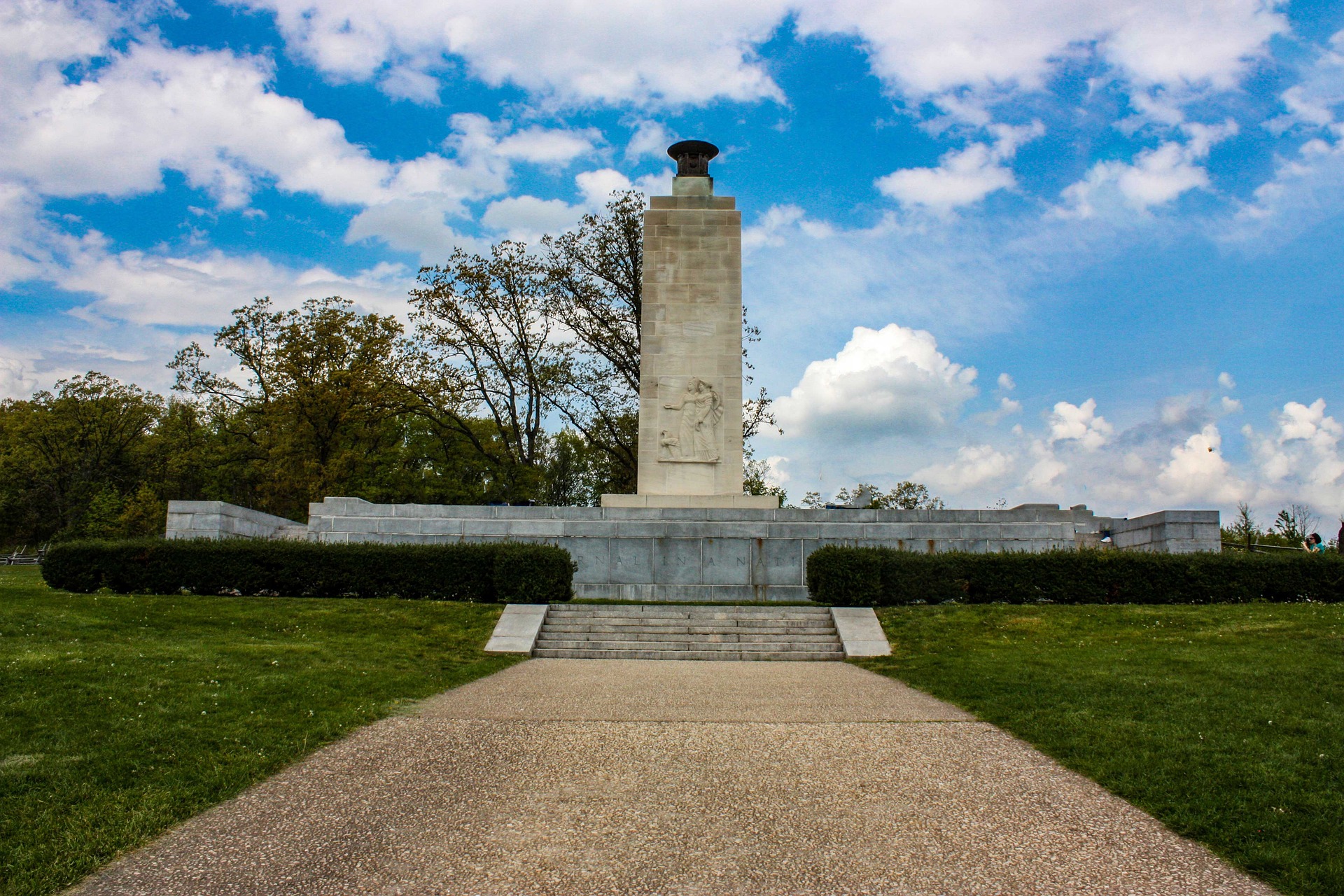
Here's the genuinely exciting part: 2026 marks the United States' 250th anniversary and parks across the country are planning special events, especially at battlefields, memorials, and historic sites. If history is your thing, parks like Valley Forge, Gettysburg, Independence NHP in Philadelphia, Colonial NHP in Williamsburg, and Minuteman NHP in Massachusetts are worth building a trip around this year. Matt and I just did the auto tour of Gettysburg (available in the NPS app) and saw a few re-enactments, including demonstrations of actual (very loud) canons. There is so much out there to take in right now.
And while you're out there exploring, you might as well play along: the Learn To RV Great American RV Scavenger Hunt runs in July with fun themes, weekly prize resets, an anybody-can-win format, and more than $3,000 in prizes from vendors and sponsors. There's a link right off the main page at learntorv.com to learn more and get registered at Arvee.io starting June 15 — WAIT! THAT’S TODAY!
Ready to Dive Deeper?
If this episode has you rethinking your summer plans — perfect. That means we did our job and you know what to expect and how to prepare. Here's where to go next:
• Plan your visit and grab the app at nps.gov — your one stop for current fees, dates, and park alerts.
• Heading into bear country? Read Bear Safety in Yellowstone: What Every RVer Needs to Know.
• Brushing up before the trip? Don't miss Wildlife Encounters on the Road.
• Ready for some summer fun? Jump into the Great American RV Scavenger Hunt.
Where to Listen and How to Connect
Catch this episode on Spotify, Apple Podcasts, iHeartRadio, YouTube, and everywhere else podcasts are streamed.
Join our free Learn To RV: The Community on Facebook, follow @LearnToRV on Instagram, and explore more at learntorv.com.
Got a national park memory or a tip we missed? Email us at learntorv@gmail.com. If it gets read on air during Campfire Confessions, we'll send you a sticker.
And if you're ready to go deeper into the community, the Campfire Crew is waiting for you on Patreon — early access, bonus content, and the first seven days are free. Or just drop us a tip at Buy Me a Coffee. ☕
We're All Around the Same Campfire
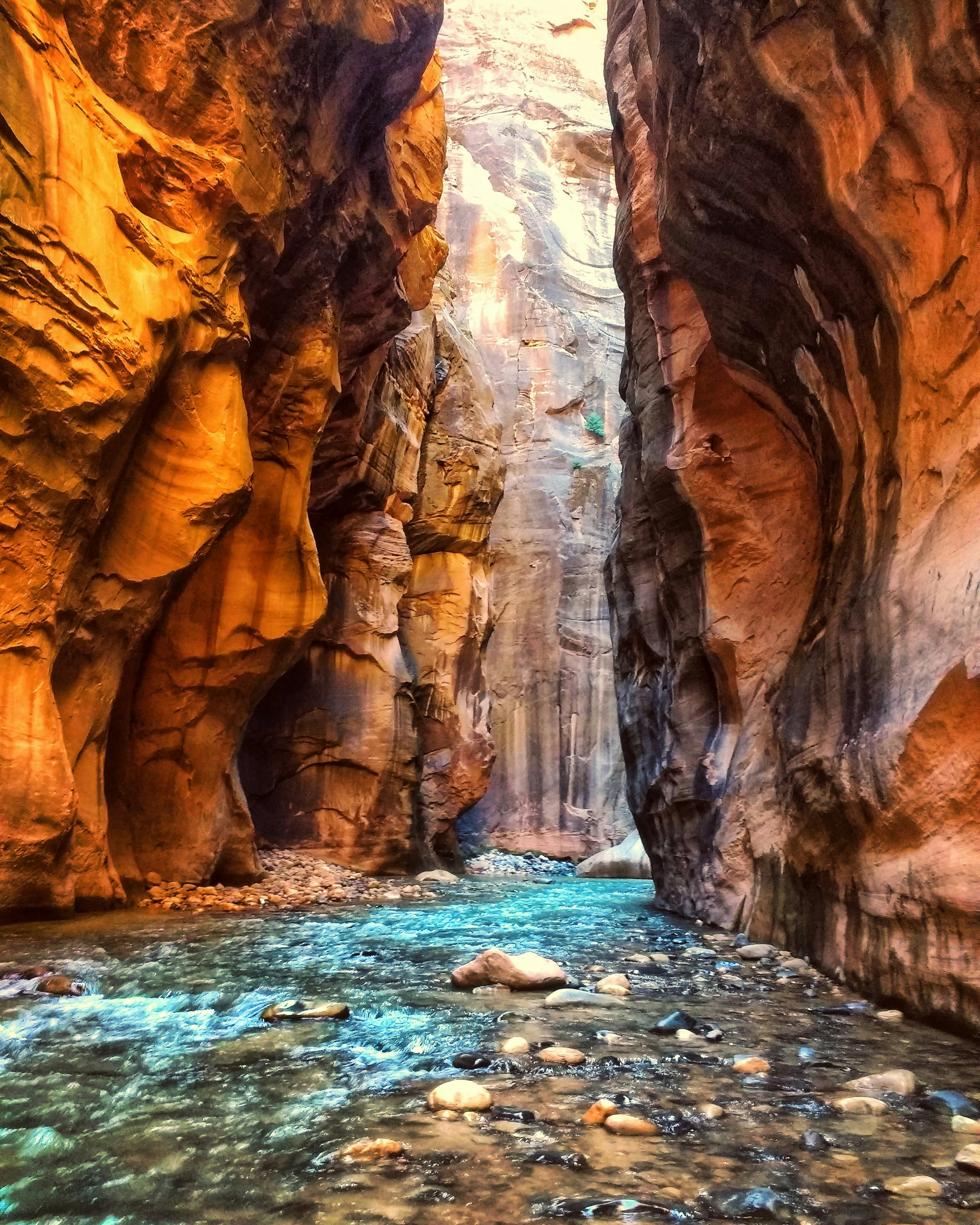
Here's where I land after digging into all of it: these parks belong to every one of us, and the best thing we can do is show up informed, be respectful, and leave each place a little better than we found it. The rules may have shifted, the prices may have climbed, and the staffing may be thinner, but the awe and magic is still free and waiting at the end of the road.
So download the app, book early, bring your ID, and pack a little patience. Then go stand in front of something enormous and let it wreck you in the best way.
Share this one with the RVer in your life who books last-minute (you know who they are — maybe they were me, but now I know better). Subscribe, share learntorvthepodcast.com, and leave a review. The road is better when we travel together.
This Episode Is Sponsored by RV Roofing Solutions
Before you point the rig toward your next park, make sure your roof is ready for the miles. RV Roofing Solutions is a nationwide mobile company with professional installers who come to you, fitting a maintenance-free system you simply wash twice a year. Give them a call at 888-847-7010 or visit rvroofingsolutions.com.
Some links in this post may be affiliate links. If you purchase through them, Learn To RV may earn a small commission at no additional cost to you. We only recommend products and resources we genuinely believe in.
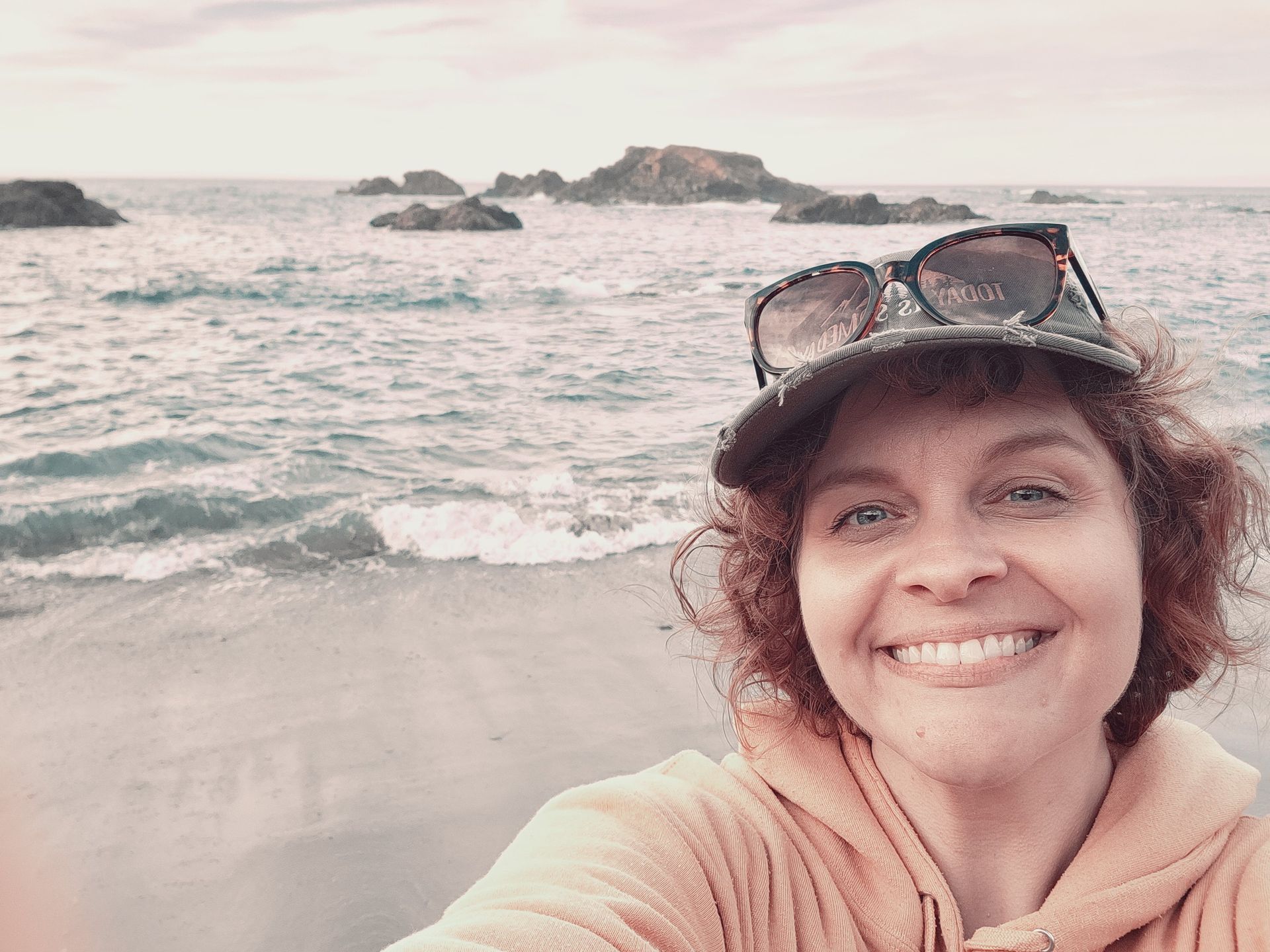
By day, Tasha Martin wears the title of copywriter extraordinaire, crafting compelling stories and sharp, strategic messaging. But when night falls, she steps into her second superpower—podcast queen. With a natural gift for conversation and a voice that draws listeners in, Tasha brings energy, curiosity, and heart to every episode she helps create.
When she’s not writing or podcasting, you’ll find Tasha out exploring. She loves traveling with her family and seeking out unique outings, hidden gems, and memorable experiences on the road. Whether it’s a quirky roadside stop, a scenic trail, or a new town to wander through, Tasha brings the same sense of adventure to her travels that she brings to her creative work.
A storyteller, a traveler, and a connector—Tasha is the kind of voice every RV community needs.

Geysers, Groundhogs & Paper Maché: Black & Gray Tank Care With Tim the Tank Man